Understanding the Safest Modes of Travel in 2026
Air, Rail, Bus & Car: 2026 Safety Rankings Explained
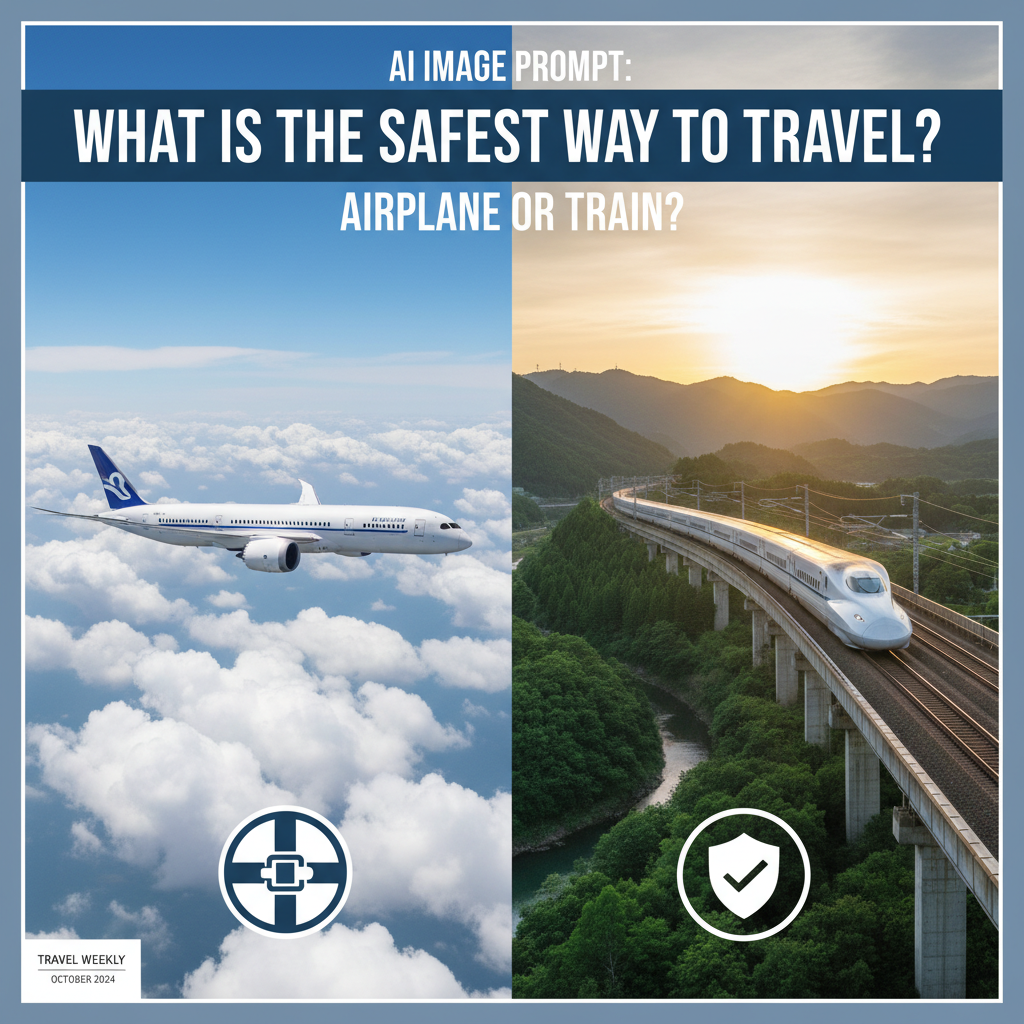
Traveling can be exciting and sometimes risky. In 2026, the safest way to travel depends on the type of transport. Statistics show that commercial air travel is still the safest for long distances. Trains are also very safe, especially in countries with advanced rail systems. Buses can be safe if the company follows strict rules. Cars give you control, but accident rates are higher compared to air or rail. Review current safety reports and know that some regions have safer buses or trains than others.
What the Latest Global Safety Data Tells Us
According to recent international data, air travel has the lowest accident rate per passenger mile. Trains follow, especially in Europe and East Asia. Buses are usually safe, but this can vary by country. Car accidents are most common, especially where traffic laws are not followed closely. It’s important to check recent statistics before deciding on your mode of transport.
Beyond Statistics: Why Perceptions of Safety Still Matter
Statistics are important, but how safe you feel also matters. Some people are afraid of flying, even though it is very safe. Others prefer driving because it feels familiar. If you feel nervous, you may miss important safety steps. Always balance data with your comfort and make choices that leave you feeling confident and alert.
How to Choose the Safest Way to Travel for Your Trip
Destination Matters: Safest Options by Region or Country
Safety can change by location. In some regions, trains are very safe. In others, bus companies have the best safety records. For example, Japan’s trains are among the safest in the world. In the United States, flying is the safest for long trips. Always research the safest local option and ask locals or trusted travel experts for advice.
Travel Purpose: Business, Leisure, or Family—What’s Best?
Your reason for travel can shape the safest option. For business, flying may save time and be safest over long distances. For family trips, trains and buses can be easier for children. If you travel for leisure and want to see more places, consider safe routes and flexible plans.
Special Considerations for Solo, Female, and Older Travelers
If you travel alone, choose transport with good security and customer support. Female travelers might want well-lit and busy options, and check if there are women-only cars or compartments. For seniors, ease of boarding, seat comfort, and medical access are critical. Always check if the company offers help for special needs.
Key Factors That Influence Safe Travel Decisions
The Role of Technology: From AI-Powered Navigation to Real-Time Safety Alerts
Technology has improved safety a lot in 2026. Many airlines and train companies use AI for route planning, weather monitoring, and detecting risks. Real-time alerts on apps can warn you about delays, protests, or unsafe areas. Always travel with a phone that supports the latest safety apps and update your travel app before trips.
Health & Hygiene in a Post-Pandemic World
After global pandemics, health safety is a big concern. Airlines and trains now have high health standards, with advanced air filters and cleaning. Carry hand sanitizer, disinfectant wipes, and wear a mask if required. Always check current health rules for your region and transport company before you travel.
Environmental Safety: Sustainable Choices Without Compromising Security
Eco-friendly travel is important but must be safe too. Electric trains and buses are both safe and good for the planet in many places. Choose operators with clear records in safety and environmental care. Avoid unsafe “green” options that skip safety checks.
Accessibility and Inclusivity: Safe Travel for All
Modern travel should be safe for everyone. Check if your chosen airline or train offers help for wheelchairs, visual or hearing support, or other needs. Many places now have ramps, special seating, and support services. Contact customer service ahead of your trip for extra help.
Practical How-To Tips for Maximizing Travel Safety
Booking Smart: What to Look for in Airlines, Trains, and Buses
- Check company safety records online before booking.
- Only use official apps or websites to buy tickets.
- Choose direct routes or fewer stops to lower risks.
- Look for companies certified by international safety groups.
- If possible, choose seats near exits or close to staff.
Personal Safety Measures: Apps, Gear, and Smart Habits
- Download trusted safety apps like real-time alerts, map apps, or emergency contacts.
- Travel with a portable charger to keep your phone powered.
- Keep important documents and money in a travel pouch or money belt.
- Dress simply to avoid drawing attention.
- Share your travel plans with family or friends.
Insurance & Emergency Preparedness: What’s Essential in 2026?
- Buy travel insurance that covers accidents, delays, and health emergencies.
- Add coverage for new risks (natural disasters or cyber threats) if needed.
- Carry copies of your documents—passport, insurance, emergency numbers.
- Know the local emergency number and embassy address.
Navigating Unfamiliar Destinations Safely
- Stick to busy areas, especially at night.
- Follow official signs and announcements at stations and airports.
- Don’t share your travel details with strangers.
- Learn a few basic phrases in the local language or download a translator app.
- Prebook rides from known providers instead of hailing random cars.
Frequently Asked Questions About Safe Travel in 2026
Are Low-Cost Airlines or Rideshares Safe?
Low-cost airlines in most developed countries follow strict rules and can be very safe. Always check their safety ratings online. Ridesharing services can be safe when using trusted apps, but always confirm the car and driver match your booking. For extra safety, travel with a friend or alert someone to your ride.
How Do I Check Travel Advisories and Real-Time Risks?
Most governments post travel advisories on official websites. You can also download international safety apps for real-time updates. Always check local news and weather before leaving. Sign up for alerts from your country’s embassy or travel department if available.
What About Travel Safety for Kids and Families?
Choose companies with good records in safety and family services. Bring child-friendly seats, snacks, and games. Stick together in crowds and teach children what to do if lost. Use family queues and board early if the company allows it.
Should I Worry More About Accidents or Crime?
Both are important. Accidents are rare on major airlines and trains, but petty theft or scams are more common in tourist areas or busy stations. Stay alert to your surroundings and keep valuables hidden. Consider both accident stats and local crime rates when planning your trip.
Expert Recommendations: Safest Ways to Travel This Year
- For international trips, commercial airlines are usually the safest.
- Use high-speed trains for mid-distance travel in countries with strong rail records.
- Select licensed bus companies with modern fleets and clear safety policies.
- For short local trips, taxi apps with passenger ratings are often safest.
- Always trust your instincts—if something feels unsafe, look for another option.
Summary: Key Points and Next Steps
- Check the most up-to-date safety stats for your region and type of travel.
- Choose the safest option based on your destination, needs, and comfort.
- Use technology and plan smart—book with trusted companies and keep connected.
- Pack safety items and know emergency procedures for your journey.
- Stay alert and flexible to change plans if safety becomes a concern.
What’s Next?
- Research your route and book tickets with the safest available operators.
- Install and set up travel safety apps on your phone.
- Review travel insurance options for complete coverage.
- Prepare safety gear before departure.
- Travel with confidence, knowing you have taken every step for a safer journey.