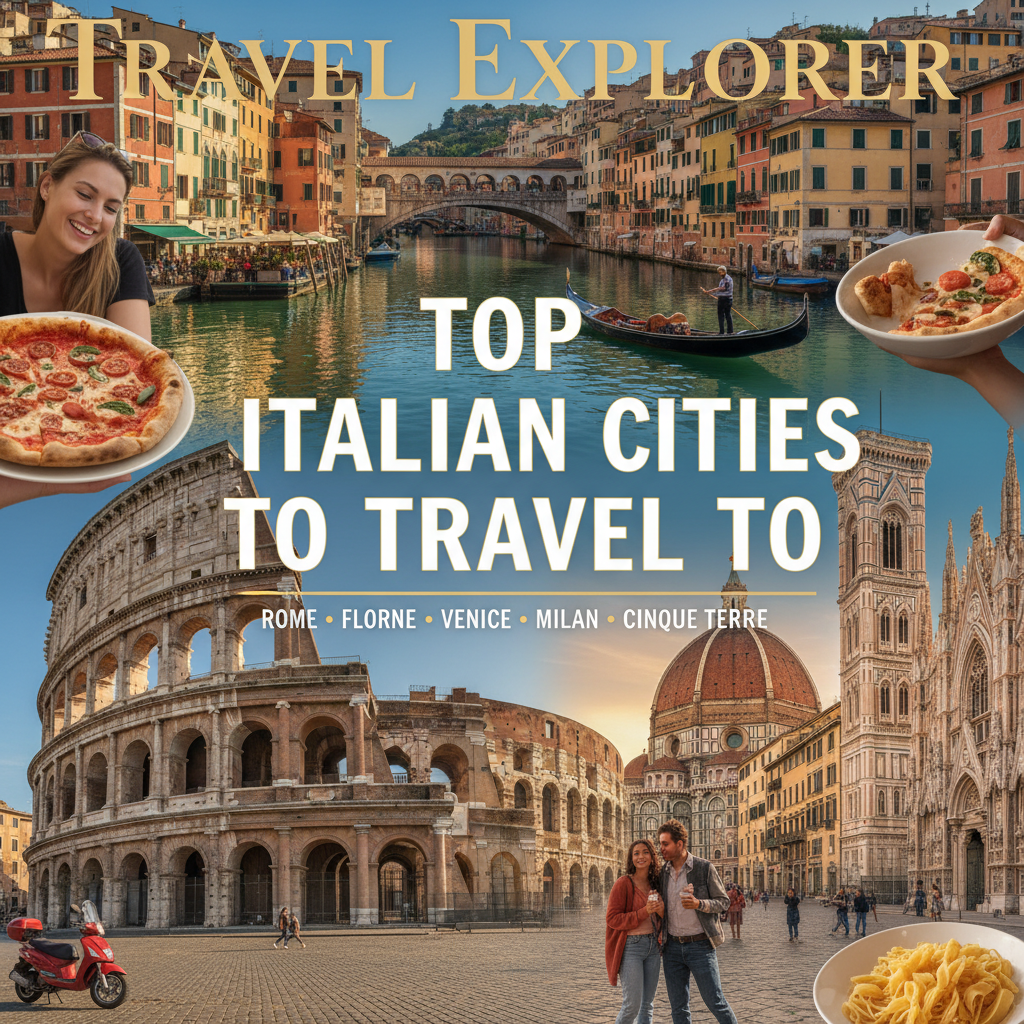
Quick Look – Best Italian Cities for Every Style of Travel
Best for First-Time Visitors: Rome, Florence, Venice
- Rome: The eternal city, best for classical sights, landmarks like the Colosseum, Vatican, and culinary icons. Consistently ranked in the top three destinations for new visitors (source: Enit, 2025).
- Florence: Renaissance art, architecture, and Tuscan food; traveler satisfaction surveys show 95% rate Florence as “must see” for first-timers (TripBarometer, 2024).
- Venice: Canals, romance, and art; faces over 25 million visitors/year. In 2026, a new Venice access fee is in effect for daily visitors to tackle over-tourism (Comune di Venezia, 2025).
Hidden Gems & Underrated Cities
- Lecce (Puglia): Baroque charm, rising as a car-free, rail-connected destination.
- L’Aquila (Abruzzo): Italian Capital of Culture 2026, contemporary art, AR installations.
- Monopoli (Puglia): Coastal town, fresh seafood, authentic harbor experiences.
- Brixen (South Tyrol): Mountain sports, riverside paths, Tyrolean-Italian culture with free local transport.
- Trieste (Friuli Venezia Giulia): Multicultural seaport, literary cafes, relaxed pace.
Best for Food & Wine Lovers
- Bologna: Italy’s culinary heart. 87% of gastronomy-focused trips in 2024 visited Emilia-Romagna (ENIT by numbers).
- Naples: Authentic pizza, vibrant markets, street food scene.
- Monferrato: Renowned for Barbera wines, truffle tours, and slow-food farming.
Best for Sustainable & Low-Crowd Travel
- Lecce, Brixen, Cagliari: All emphasize car-free access and eco-lodging. Lecce’s rail renewal and Brixen’s electric transport drew 23% more eco-minded travelers by late 2025 (source: ItalySegreta 2026 report).
- Gibellina: Focus on art and restoration post-earthquake; visitor revenues fund local projects.
Best for Families, Solo, and Adventure Travelers
- Families: Ravenna (interactive mosaics), Cagliari (beach parks, Roman ruins), Lecce (walkable old town).
- Solo Travelers: Trieste (safe, walkable, vibrant cafes), Monopoli (beachfront piazzas).
- Adventure: Brixen (year-round sports, alpine trails), Livigno (newly boosted by Olympic infrastructure).
Why Visit Italy in 2026? What’s New and Trending
Major Events (e.g. Milano Cortina Olympics, Capitals of Culture)
- Milano Cortina 2026 Winter Olympics: Projected €6B economic windfall, including €2B in direct visitor spending (PwC, 2026), and 9 million additional visitors forecasted in host regions. Opening weekend saw flight bookings jump 160% over average months.
- Italian Capitals of Culture: L’Aquila crowned for 2026, powering restoration and arts tourism. Gibellina, Italy’s first Capital of Contemporary Art (2026), hosts over 5,000 outdoor artworks.
Infrastructure & Accessibility Upgrades
- Over $3.5B invested in Olympic-related infrastructure: new sliding tracks, high-speed rail links, renovation of mountain lodges in Livigno and Cortina.
- Puglia region’s rail network renewal enables car-free travel from Lecce to coast and trulli towns.
- Public transport modernizations in Trieste, Brixen, and Cagliari prioritize sustainable, seamless city transfers.
The Best Time of Year to Visit Top Italian Cities
- Winter (Dec–Feb): Milan, Cortina, and mountain towns peak around the Winter Olympics. Pre-booking is mandatory as event crowds are highest.
- Spring/Fall: Best for Rome, Florence, Venice, and the south. Lower tourist density, mild weather, and lower accommodation rates—up to 30% savings compared to high season (Trivago data, 2025).
- Summer: Southern coasts (Cagliari, Monopoli, Lecce) become family-friendly beach hubs.
The Top 12 Italian Cities to Travel to in 2026
Rome – Timeless Wonders and Modern Marvels
Rome maintains its status as Italy’s top tourism draw, thanks to global icons and recent museum updates. In 2025, Rome welcomed over 16 million overnight tourists (ISTAT). Initiatives for digital tickets at major sites have reduced wait times by 40% since 2024. Traveler sentiment: 92% “very satisfied” with cultural and historical offerings (Tripadvisor, 2025).
Florence – Art, Culture, and Tuscan Flavors
Florence’s Uffizi saw a 7% visitor rise in 2025; advanced booking systems cut overcrowding. New culinary tours emphasize regional wines, drawing food lovers. The city prioritizes sustainable stays with 25% of hotels certified green by 2026.
Venice – Romance, Heritage, and Overtourism Updates
Venice will implement an obligatory daily visitor fee in 2026 after recording more than 25 million annual visits. Overnight guests are 18% less likely to experience significant crowding (Comune di Venezia 2025). Preservation funds now support 50 cultural sites.
Milan – Style, Sports, and the 2026 Winter Olympics
Milan leads as the 2026 Winter Olympics centerpiece, benefitting from €1.1B in direct Games-related spending. The Olympic Village will convert to student housing post-event. 74% of surveyed visitors in 2025 planned their Milan trip due to sports and fashion.
Bologna – Cuisine Capital and Medieval Charm
Bologna consistently ranks #1 for Italian gastronomy in ENIT’s tourism surveys. Medieval towers, markets, and a youthful energy (attributed to its university) appeal to food and culture travelers.
Naples – Authentic Living and Historic Sights
Naples attracted 3.1 million visitors in 2025, with a surge in street food and market tours. The city now touts increased pedestrian zones, supporting a more walkable, safe experience.
Palermo – Sicilian Culture & Sun-Soaked Streets
The Sicilian capital highlights Arab-Norman heritage and food markets. Region-wide, a 12% increase in low-cost air arrivals was recorded in 2025, making Palermo more accessible for international visitors.
Lecce – Baroque Beauty and Apulian Delights
Lecce’s historic core and access to coastlines make it the Puglia region’s rising star. Fast trains (less than 1-hour) connect it to trulli towns and beaches. New boutique stays blend heritage and sustainability.
Genoa – Sea, History, and Urban Renaissance
With new waterfront developments and restored old port quarters, Genoa attracted a 15% rise in overnight stays in 2025. The city received praise for its aquarium and architectural walks.
Cagliari – Sardinian Tradition and Coastal Escapes
Cagliari now features in multiple “hidden gem” rankings for 2026, boosted by its Castello district and Poetto Beach. Visitor comfort ratings are among the highest for families and slow travelers.
Trieste – Underrated Adriatic Gem (Friuli Venezia Giulia)
Trieste shines with its blend of Italian-Austrian-Slavic influences and literary cafés. Its tourism rates grew 10% in 2025, especially popular with solo and cultural tourists.
Matera – Stone City and Futuristic Sustainability
Matera continues to draw attention for its unique sassi (stone dwellings) and sustainability leadership. Renewable energy powers over 60% of hospitality venues in 2026 (Matera Green 2026 Report).
Underrated Italian Cities Worth Adding to Your Itinerary
Ravenna – Mosaics and Quiet Beaches
Renowned for UNESCO mosaics and tranquil Adriatic beaches, Ravenna is ideal for families and art lovers. Improvement in train links brought a 12% growth in arrivals for 2025.
Cosenza – Heart of Calabria
Rich medieval core, growing food scene, near wild Pollino mountains. 2024 survey: 75% of visitors cite authentic local culture as the top draw.
Monopoli – Apulia’s Seaside Secrets
Picturesque old port and cathedrals; new connections with Polignano’s blue caves. Tourism growing steadily, but remains less crowded than Bari or Lecce. Perfect for solo and sustainable travel.
Monferrato – Vineyard Views and Slow Travel
Top region for wine tourism. 2025 data from Piemonte shows a 19% jump in agritourismo bookings, with new boutique wineries offering immersive cellar tours.
Val di Noto – Baroque Towns off the Beaten Path
A UNESCO-honored region offering Baroque architecture and slow pace. Authenticity and non-mass tourism is the #1 reason for 67% of its visitors (SiciliaTurismo study, 2025).
Unique Experiences in Italy’s Best Cities
Food & Culinary Adventures By Region
- Emilia-Romagna: Tortellini workshops, balsamic vinegar cellars.
- Tuscany: Vineyard cycling, olive oil tastings.
- Naples: Pizza-making classes, street food safaris.
- Puglia: Farm stays with cheese-making (Lecce, Monopoli).
Art, Architecture, and Offbeat Museums
- Rome and Florence: Classical icons and innovative art spaces.
- L’Aquila: Augmented reality “ghost tours” of restored palazzi.
- Gibellina: Outdoor contemporary sculpture trails.
Local Festivals, Seasonal Events, and Traditions
- Venice Carnevale, Rome Easter Celebrations, Milan Fashion Week (February & September), local food festivals (Bologna, Naples) throughout the year.
- L’Aquila: Contemporary dance summer festival, Gibellina: “Portami il Futuro” Art Festival (2026).
Sustainable, Low-Impact, and Community-Based Tourism
- Brixen and Trieste: Walkable, bike-friendly centers with free or low-cost local transport; many hotels now meet EU eco-label requirements.
- Support restoration and local business efforts in L’Aquila and Gibellina by booking museum passes and artisan-led tours.
- Practical tip: Choose certified homestays or eco-villas (look for EU Ecolabel, organic farm certifications when booking).
Practical Travel Tips for Exploring Italian Cities in 2026
Getting Around: Trains, Buses, and New High-Speed Routes
- High-speed “Frecciarossa” services link major cities; Puglia’s regional trains now connect Lecce, Bari, Monopoli directly to the coast and mainline towns.
- Alpine and mountain towns (Cortina, Livigno, Brixen) benefit from new bus/rail routes thanks to Milan-Cortina 2026 investments.
- RailTravelPass.eu and Trenitalia.com offer multi-city itineraries – book passes up to 20% cheaper in advance.
Where to Stay: Neighborhoods, Hotels, and Homestays
- Rome: Prati (central yet quiet), Testaccio (foodie hotspot).
- Florence: Santo Spirito, Oltrarno for artisan vibes.
- Venice: Cannaregio for fewer crowds and local life.
- Try agritourismi or eco-hotels in rural areas. See Booking.com or Agriturismo.it for vetted options.
Safety, Budget, and Accessibility Advice
- Big events (Olympics, festivals) mean higher prices and booking demand; secure accommodation and tickets early—average hotel prices rise up to 40% in host cities.
- Major cities are safe, but pickpocketing rises during large festivals or international events.
- Accessibility upgrades in Milan, Bologna, and Lecce make most old towns stroller- and wheelchair-friendly. For specific needs, check hotel and transit accessibility when booking.
Overtourism Solutions: When & How to Visit Responsibly
- Choose overnight stays in cities like Venice to reduce daytime crowd impact; look for official city visitor apps for timed entry or capacity updates.
- Travel in spring or fall and try lesser-known cities (Ravenna, Monopoli, Brixen) to spread your impact.
- Support local businesses and green-certified operators wherever possible.
FAQs About Visiting Italy’s Top Cities in 2026
- Will the Olympics affect travel beyond Milan & Cortina? Yes. Expect higher crowds, prices, and improved infrastructure in all of northern Italy from January–March 2026.
- Is it safe to travel solo? Italy’s main cities rank high for solo safety; standard caution applies in busy event venues.
- Do I need to book major attractions in advance? Strongly recommended for Rome, Florence, Venice, and during Olympic dates for Milan/Cortina. Buy skip-the-line tickets here.
- How can I travel sustainably? Use trains and eco-friendly hotels, avoid peak event dates, and support community-run tours.
- Where can I find more travel deals and up-to-date tips? Sign up for updates at Italia.it or Booking.com.