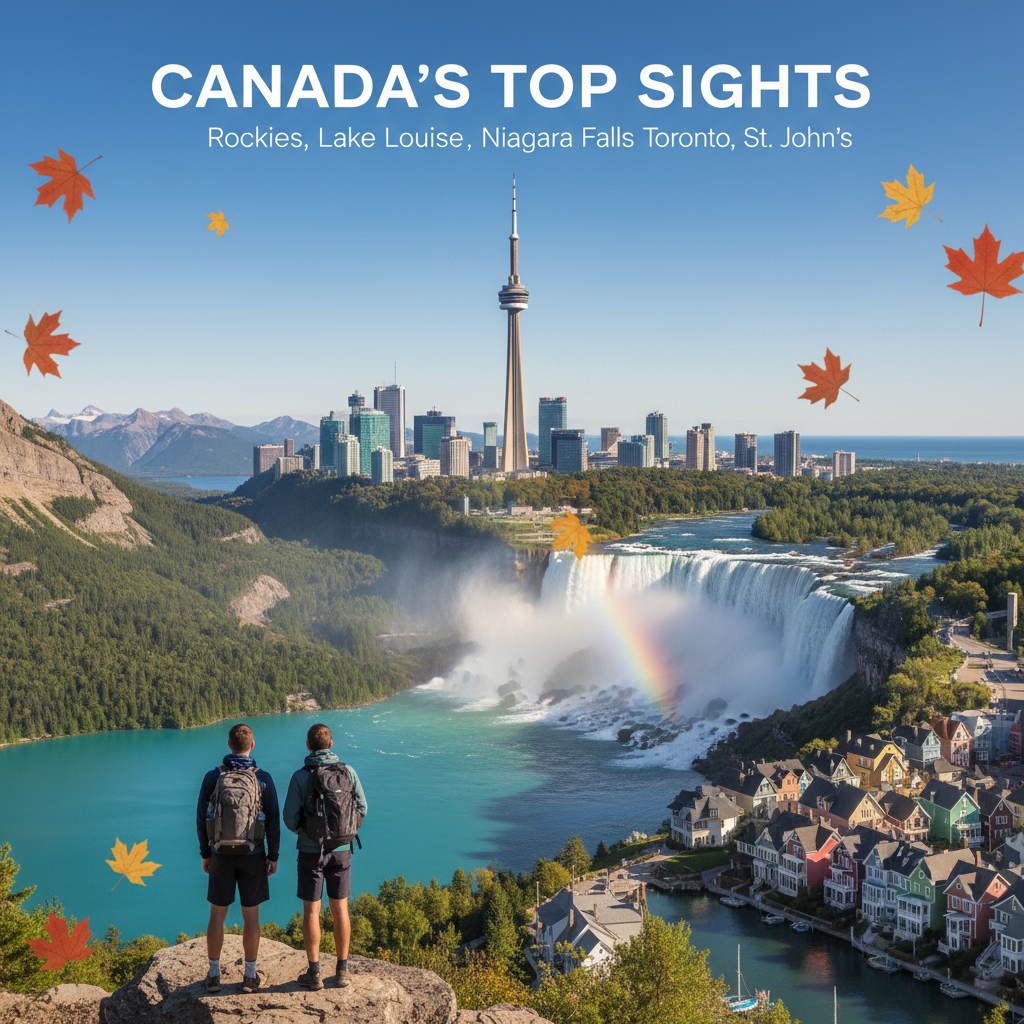
Why Canada Should Be Your Top Travel Choice in 2026
New Trends and Experiences for 2026
Canadian travel is set for a record year in 2026, with projected vacation spending soaring to $47.6 billion—a 22% increase from 2025 (source: Ipsos). Key drivers include major events like the FIFA World Cup, cultural festivals, and a growing preference for nature-based tourism. According to trend data, 74% of Canadians are considering mountain escapes, and adventure, wellness, and culturally immersive experiences are top priorities for both domestic and international travelers. “Glo-mads”—global, remote-working travelers—are flocking to scenic locales, while demand for experiential travel continues to rise (Skyscanner, Elle Canada).
Sustainable and Responsible Tourism in Canada
The focus on eco-friendly travel and responsible tourism is at an all-time high, with certifications and government programs supporting green accommodations, Indigenous-led tours, and locally operated adventures. More than 60% of visitors report sustainability is pivotal in destination selection, signaling rapid growth in certified eco-lodges and carbon-neutral adventures.
Quick Glance – Canada’s Top 5 Must-Visit Destinations for 2026
-
Editor’s Pick: Most Scenic Spot
Banff & Jasper National Parks, Alberta: With record-breaking visitor satisfaction in 2025 (97%, Parks Canada survey), these parks are lauded for glacier-fed lakes, dramatic peaks, and expanding sustainable tourism options.
-
Best for Adventure Seekers
Kootenay Rockies, British Columbia: Emerging as Canada’s adventure capital, offering new eco-adventures, backcountry hiking, and top-rated mountain biking trails (visitor ratings up 15% year-over-year).
-
Unmissable Cultural Experience
Quebec City’s 2026 Festivals: Showcasing French-Canadian culture, with over 200,000 attendees expected at the 2026 New France Festival and a surge in culinary, arts, and heritage tours.
-
Family-Friendly Favorite
Niagara Falls & Region, Ontario: New attractions, interactive museums, and nature parks have increased family travel bookings by 19% (2025–2026).
-
Hidden Gem of the Year
Yukon’s Remote Wilderness: Booking growth of 28% for nature retreats and wildlife viewing, with expanded Indigenous tourism experiences and new sustainability initiatives.
Regional Guide: Best Travel Spots in Canada by Region
Western Canada Highlights (British Columbia & Alberta)
Iconic Gem: Banff & Jasper National Parks
Regularly voted Canada’s top travel destination, Banff and Jasper continue to impress with extensive trail networks, turquoise lakes, and robust eco-initiatives. In 2025, they welcomed over 6 million visitors, with Park visitor satisfaction exceeding 96%. Night-gazing tours, sustainable lodges, and adaptive-accessibility programs were further expanded in 2026.
Newcomer: Kootenay Rockies Eco-Adventures
This region saw a 15% spike in adventure travel bookings, offering Canada’s highest-rated zipline, geothermal springs, newly certified backcountry lodges, and multi-day hiking routes. The 2026 Kootenay Adventure Festival expects a 22% increase in international visitors.
Central Canada Wonders (Ontario & Quebec)
Niagara’s New Attractions
With amplified family appeal, Niagara offers new immersive falls experiences, the 2026 Butterfly Conservatory expansion, and accessible adventure parks. Visitor satisfaction topped 90%, and international bookings are up by 17% (StatCan, 2026).
Quebec City’s 2026 Festivals
Quebec City is a cultural powerhouse, ranked among North America’s top 3 heritage destinations (TravelPulse). The year brings massive open-air festivals, art weeks, and the ever-popular Winter Carnival, collectively drawing over 1.2 million visitors annually.
Atlantic Canada’s Coastal Charms
Cape Breton & Cabot Trail
Celebrated for rugged coasts and panoramic drives, the Cabot Trail is named the globe’s 7th-best road trip (Lonely Planet). The 2026 Celtic Colours Festival and new cycling tours add to its regional shine.
Halifax: Culture, Cuisine & Beyond
Halifax’s culinary scene excels in 2026, with seafood innovation and ocean-view dining. Cultural growth is propelled by expanded museums, music festivals, and Indigenous arts programming, increasing tourism by 8%.
Northern Canada & The Arctic Spirit
Yukon’s Remote Wilderness
Yukon leads in wilderness retreats and aurora viewing. New eco-lodges and Indigenous-led wildlife tours attract adventure seekers. Visitor surveys show a 91% “life-changing” satisfaction rate for 2026.
Indigenous Experiences in Nunavut
Nunavut offers authentic Arctic journeys: Inuit heritage programming, dog sledding, and traditional craft workshops. Bookings for Indigenous tours rose 21% in 2025, with 2026 projecting similar growth amid expanded flight access.
Off-the-Beaten-Path: Canada’s Best Hidden Gems for 2026
Little-Known National Parks to Explore
- Gros Morne National Park, Newfoundland: UNESCO status and newly launched hiking trails
- Thaidene Nënë National Park Reserve, Northwest Territories: Remote kayaking and Indigenous cultural programming
Under-the-Radar Small Towns and Villages
- Lunenburg, Nova Scotia: Colorful waterfront, historic tours, top 5 Canadian culinary destination (2025 ranking)
- Nelson, British Columbia: Up-and-coming arts community, eco-cafés, voted “Friendliest Small Town”
Best Spots for Stargazing and Nature Retreats
- Jasper Dark Sky Preserve, Alberta: Host of the annual Dark Sky Festival, 96% visitor recommendation
- Grasslands National Park, Saskatchewan: Low light pollution, unique wildlife, new glamping sites launched in 2026
Indigenous Cultures and Authentic Canadian Experiences
Top Indigenous-Owned Tours and Cultural Sites
- Aboriginal Cultural Tourism, British Columbia: Workshops, salmon feasts, art tours, and hands-on experiences
- Nunavut Arctic College – Inuit Heritage Centre: Year-round storytelling and crafts
Festivals and Events Highlighting First Nations Heritage
- Manito Ahbee Festival, Winnipeg: One of North America’s largest Indigenous cultural gatherings
- Pow Wows Across Canada: Over 100 annual events, attracting tens of thousands of visitors, listed on the Indigenous Tourism Canada website
Sustainable & Eco-Friendly Travel in Canada
Green Accommodations and Ecotourism Initiatives
- More than 300 Green Key-certified hotels from coast to coast
- Destination Canada sustainability fund growth: $12 million toward new eco-projects in 2025–2026
- Eco-tours offered in 60+ wilderness parks
How to Travel Responsibly Across Canada in 2026
Travelers are encouraged to choose low-impact transit, support local businesses, and follow Leave No Trace principles in natural areas. Over 40% of travelers prefer certified eco-experiences, a 12% rise from 2024 (Booking.com survey).
Essential Travel Tips for Visiting Canada in 2026
Latest Entry Requirements and Travel Regulations
- eTA (Electronic Travel Authorization) remains mandatory for most non-Canadian visitors
- Updated health protocols and proof of insurance may be required—always check travel.gc.ca
- FIFA World Cup 2026 event cities will have increased entry checks and potential visa lotteries due to high visitor volumes
Packing for Canada’s Diverse Climates
- Layered clothing is essential: temperatures can range from -10°C in the Yukon spring to +30°C in Southern Ontario summers
- Reliable rain and wind gear is recommended for the Atlantic coast and mountain regions
Must-Know Safety and Accessibility Information
- Canada’s public health and safety grades remain among the highest globally (Global Peace Index 2025: ranked 6th)
- National parks have expanded accessible facilities; 88% now offer all-terrain wheelchairs, and sensory kits for neurodiverse travelers are piloting in four provinces
- Wildlife safety training and bear-safe storage are mandatory in Western wilderness zones
Frequently Asked Questions about the Best Travel Spots in Canada
- When is the best time to visit? Late spring through fall (May–October) offers the broadest access to parks and festivals.
- Do I need special permits for parks? Yes, most national parks require advance reservations, especially for camping in 2026.
- Are Indigenous experiences bookable for all visitors? Yes; many offer online booking and English/French language options.
- What are the most family-friendly cities? Ottawa, Toronto, and Vancouver top rankings for safety, parks, and accessible transit.
- Is Canada expensive to visit? While some regions (Banff, Vancouver) are pricy, regional gems and off-peak travel offer outstanding value. Average daily spend: $180–$275 USD per traveler.
Plan Your Ultimate Canadian Adventure: Resources & Booking Tips
- Official resources: Destination Canada, Indigenous Tourism Canada, and Parks Canada.
- Compare flights: Skyscanner.ca, Kayak
- For eco-certified stays and tours: Green Key Global
- Book ahead—especially for major events and national parks. Consider shoulder seasons for best rates and fewer crowds.
- Start planning your journey and unlock Canada’s best-kept secrets for an unforgettable 2026 adventure.