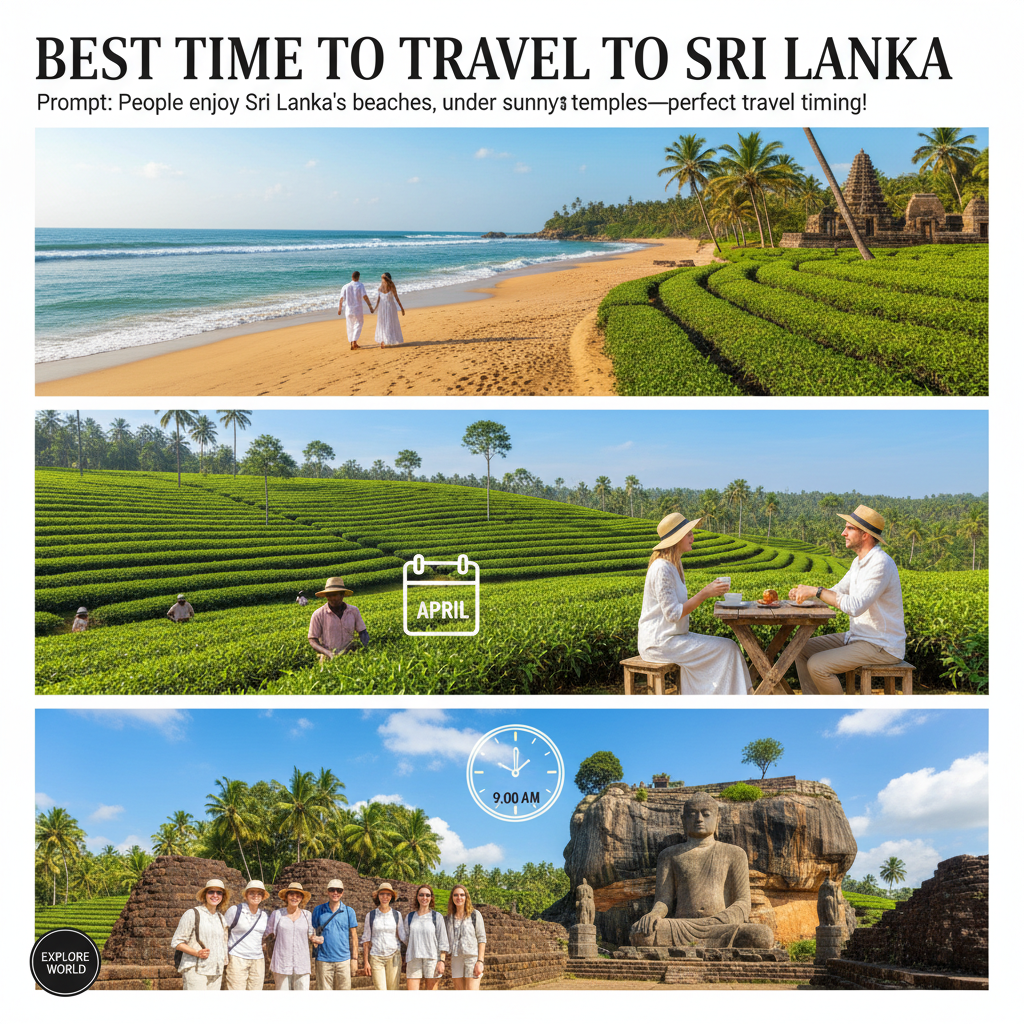
Quick Take – The Best Time to Travel to Sri Lanka in 2026
Snapshot: Best Months for Weather, Culture, and Adventure
The optimal time to visit Sri Lanka in 2026 is during the dry seasons: December to March for the south and west coasts, and June to August for the east coast and Cultural Triangle. During these months, daytime temperatures typically stay between 27–30°C (mid-80s°F), rainfall is minimal, and sunshine is abundant [1]. These periods align with peak cultural festivities and prime wildlife viewing, delivering the best all-round experience for travelers.
- South & West: December–March for calm beaches, surfing, and whale watching
- East & North: June–September for dry, sunny conditions and surf season
- Cultural Triangle & Hill Country: December–April or June–August for hiking and UNESCO sites
What’s New: Recent Trends and Weather Updates for 2026
Forecasts for 2026 project stable tropical climate cycles, with no major shifts expected. Monsoon timings remain consistent, but occasional unpredictable rain can occur due to increasing intraseasonal variability. Experts suggest focusing activities in the mornings—especially for hikes or safaris—to avoid afternoon showers [2].
Understanding Sri Lanka’s Weather: Seasonal & Regional Breakdown
The Two Monsoon Seasons Explained (Yala & Maha)
Sri Lanka has two main monsoon seasons:
- Yala Monsoon (May–September): Brings heavy rain to the southwest (south and west coasts, central hills), with rainfall exceeding 1,600 mm in some areas.
- Maha Monsoon (October–January): Affects the north and east, with moderate rains and shorter bursts compared to Yala [3].
- Inter-monsoon periods (March–April, October–November) bring brief, scattered showers island-wide.
Weather by Region: South, West, North, and East
| Region | Best Months (2026) | Weather Highlights |
|---|---|---|
| South/West (Galle, Hikkaduwa, Colombo) | Dec–Mar | Dry, sunny, ideal for beaches and surfing |
| East (Trincomalee, Arugam Bay) | Jun–Aug | Dry, surf season, less crowded |
| Cultural Triangle & Hill Country (Kandy, Sigiriya, Ella) | Dec–Apr, Jun–Aug | Cooler altitudes, clear skies, best for hiking |
| North (Jaffna, Mannar) | Jun–Sep | Dry, cultural festivals, rural adventures |
Year-Round Climate Patterns and Temperature Averages
Lowland temperatures range between 25–34°C throughout the year. April–May records the highest temperatures, while the hill country (Kandy, Ella, Nuwara Eliya) is cooler, averaging 16–22°C. Rainfall varies by region and month:
- South/West: 100–200 mm/month in Yala (May–September), 30-60mm/month in Jan–Mar
- North/East: 150–300 mm/month in Maha (October–January), below 50 mm/month in Jun–Sep [4]
A data-backed 2026 meteorological report expects similar ranges, with increased short-term storm variability due to climate change [5].
Month-by-Month Guide to Visiting Sri Lanka
January–March: Peak Season Highlights
Dry, stable weather on the south and west coasts. Beach resorts, whale watching, and historic sites are at their best. Cultural events and full-moon Poya days attract both tourists and locals.
April–June: Shoulder Season Pros & Cons
April brings Sinhala and Tamil New Year; this period draws crowds and higher hotel rates. May–June marks the Yala monsoon start in the southwest—expect lush landscapes but intermittent showers. Less crowded in the east, with good wildlife viewing in the parks.
July–September: Experiencing Sri Lanka’s Wild Side
East and north are dry—perfect for surfing in Arugam Bay, snorkeling in Trincomalee, and wildlife safaris (notably “The Gathering” of elephants at Minneriya). Esala Perahera festival in Kandy is a major cultural highlight.
October–December: Hidden Gems and Off-Season Advantages
Maha monsoon affects the east/north, but south and west begin to dry out again. Quieter travel, great value deals, and lush scenery. Early December offers fewer crowds before peak season kicks in.
Top Experiences by Season in Sri Lanka
Best Time for Beaches and Surfing
- South and West beaches (Mirissa, Bentota): December–March
- East coast (Arugam Bay): June–August (prime surfing months)
Prime Wildlife Watching and National Park Seasons
- Minneriya “The Gathering”: July–September (elephants congregate at waterholes; >90% sighting rate)
- Yala National Park safaris: December–March for highest leopard and elephant sightings
- Udawalawe: Good year-round, but dry months favor sightings
Cultural Festival Calendar: Don’t-Miss Events in 2026
- January: Thai Pongal (Hindu harvest festival in Jaffna)
- April: Sinhala & Tamil New Year (island-wide, family celebrations)
- May: Vesak (Buddha’s birth, enlightenment, and death commemorated with lanterns)
- July–August: Esala Perahera (Kandy’s grand parade and Buddhist relic procession)
Adventure Activities: Trekking, Diving, and More
- Trekking (Ella, Horton Plains): December–April for best trail conditions
- Diving (south coast): December–March; (east coast): May–September
- White water rafting (Kitulgala): May–November during inter-monsoon showers
Local Insights – What the Experts Say About When to Travel
Interviews with Sri Lankan Tour Guides and Hoteliers
- Tour guides confirm peak wildlife sightings in dry season, especially July–September at Minneriya and December–March at Yala.
- Hoteliers in the south coast recommend early bookings for December–February, as occupancy rates reach >90% during holiday weeks.
How Locals Navigate the Seasons
Locals plan key pilgrimages and family trips during regional dry spells. Many avoid long intercity journeys during peak monsoon (October–November, May–September for the southwest), favoring local festivals and events instead.
Festival Spotlight: Unforgettable Celebrations by Month
Sinhala & Tamil New Year (April): What to Expect
The island’s most important festival features rituals, food, and games. Expect high hotel demand and festive street scenes.
Esala Perahera (July/August): The Grandest Parade
Kandy hosts this iconic spectacle with traditional dancers, drummers, and decorated elephants. Book accommodations far in advance—hotels and guesthouses fill months ahead.
Other Unique Regional Festivals & Their Travel Impact
- Thai Pongal (January): Important in the North, marking the end of the harvest with processions and feasts
- Kataragama Festival (July–August): Multi-faith pilgrimage, colorful processions in southern Sri Lanka
Personalized Recommendations: Planning Your Ideal Sri Lanka Trip
For Families: Best Times and Activities
- December–March: Best for family beach holidays, gentle surf, whale watching, and city tours
- July–September: Minneriya safaris and cultural events
For Honeymooners: When Romance Blooms
- December–April: Tranquil south/west coast resorts, sunset cruises, and hill-country escapes
- June–September: Secluded east coast beach hideaways
For Wildlife Lovers: Migration & Calving Calendars
- July–September: Elephant “Gathering”, migratory bird arrivals, and best leopard sightings
- Year-round: Different parks (Yala, Udawalawe, Wilpattu) offer unique experiences
For Budget Travelers: Low Season Deals
Travel in May–June or October–November to enjoy quieter attractions, flexible booking, and significant savings on accommodation and tours. Expect some rain, but lush scenery and low crowds are a bonus.
Special Considerations for 2026: Climate Change and Travel in Sri Lanka
How Unpredictable Weather Affects Travel Plans
2026 projections show no major deviations, but variable rain spells and brief afternoon storms are increasing, driven by El Niño/La Niña and Indian Ocean Dipole patterns [5]. Plan outdoor activities before noon, and expect the potential for travel disruptions (road floods or longer train durations) in the hills during peak monsoon.
Tips for Sustainable and Responsible Travel
- Book eco-friendly lodges and locally run guesthouses
- Respect wildlife corridors (especially in national parks)
- Travel with refillable water bottles, reduce plastic waste
- Use community-based tours to ensure your spending benefits local families
Smart Tools & Resources for Deciding When to Visit
Interactive Chart: Match Your Interests with the Best Months
| Activity | Jan–Mar | Apr–Jun | Jul–Sep | Oct–Dec |
|---|---|---|---|---|
| Surfing (South/West) | Best | Good | Poor | Good |
| Surfing (East) | Poor | Good | Best | Poor |
| Wildlife Safaris | Best | Good | Best | Fair |
| Cultural Festivals | Good | Best | Best | Good |
| Hiking/Trekking | Best | Fair | Best | Fair |
Useful Apps and Websites for Real-Time Weather & Events
- Accuweather Sri Lanka: Reliable real-time forecasts
- Sri Lanka Meteorological Department: Localized weather alerts and climate trends
- TripAdvisor Sri Lanka Forums: Current travel experiences and event notices
- Booking.com Sri Lanka: Check hotel deals and seasonal prices
FAQ: Everything You Need to Know About the Best Time to Travel to Sri Lanka
- Is Sri Lanka a year-round destination? Yes, but best regions vary by month due to dual monsoon patterns.
- Are monsoons dangerous for tourists? Generally no, but some road closures and rough seas can occur during peak rains.
- When should I book for major festivals? At least 6 months in advance, especially around Esala Perahera or New Year events.
- Can I travel between regions in the rainy season? Yes, but check forecasts for local storms and possible delays.
Final Thoughts and Pro Planning Tips for Your Sri Lanka Adventure in 2026
Selecting the best time to travel to Sri Lanka means balancing weather, cultural excitement, and personal trip goals. For the sunniest coastline and vivid festivals, December–March on the south/west coast or June–September in the north/east is ideal. Book early during peak festivals, pack for variable micro-climates, and leverage real-time resources for the smoothest adventure.
Ready to plan your Sri Lanka trip? Compare seasonal tours and secure your spot for 2026’s festivals via Intrepid Travel Sri Lanka or browse current hotel and tour deals: Book now on Booking.com.