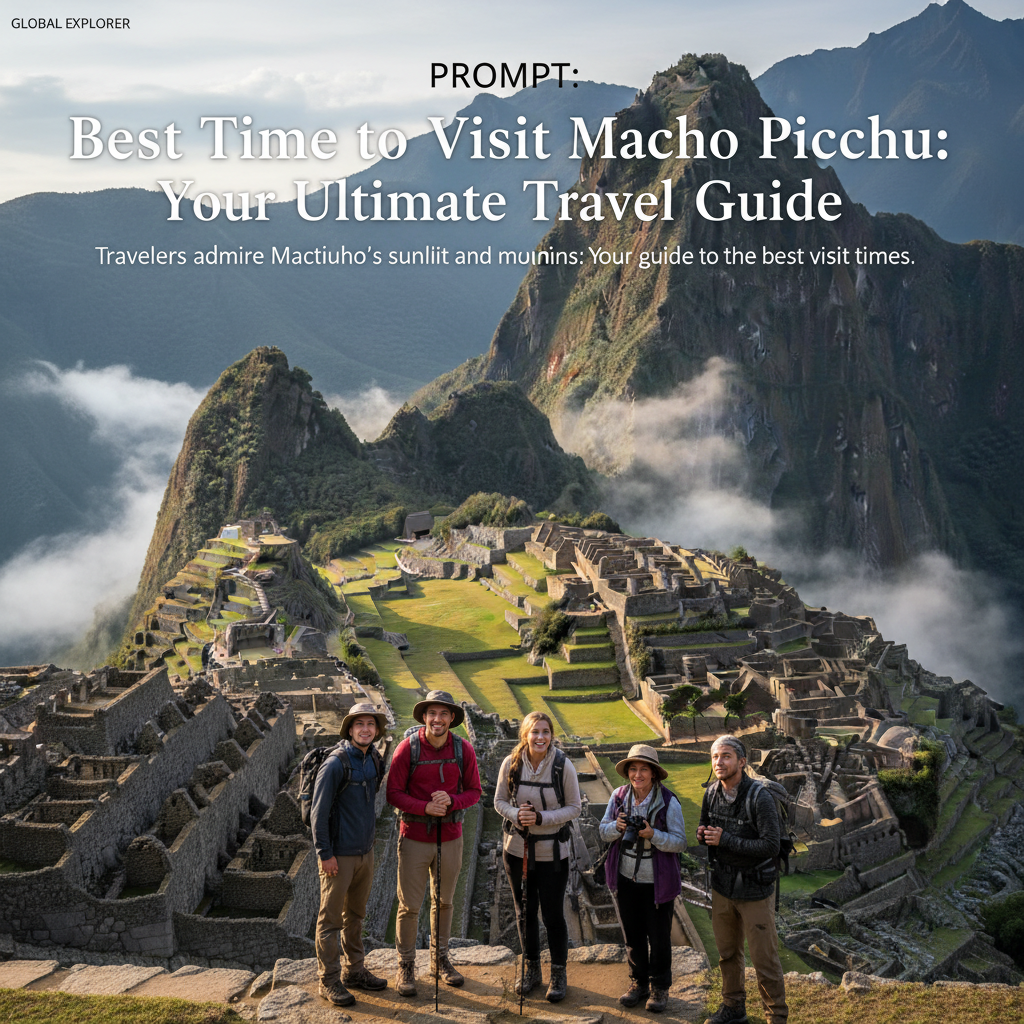
Quick Overview – When Is the Best Time to Travel to Machu Picchu in 2026?
Key Takeaways for Planning Your 2026 Machu Picchu Trip
- The dry season (May–September) brings clear skies and ideal hiking; peak crowds June-August.
- Rainy season (November–March) offers lush scenery, lower prices, and fewer visitors, but trails are slippery.
- Best value: Visit in April or October for fewer tourists and balanced conditions.
- 2026 daily visitor caps: 4,500 (regular) and 5,600 (high season) – book Machu Picchu entry tickets 1–2 months in advance via machupicchu.gob.pe.
- Inti Raymi (Festival of the Sun), Cusco’s June 24 celebration, is the region’s top festival and coincides with high tourism.
- Pack layers and rain gear year-round due to variable temperatures and sudden showers.
Major Changes & Updates for 2026 (Weather, Tourism Rules, Visitor Caps)
- Visitor caps: 5,600 daily during peak/holidays, 4,500 all other dates, strictly enforced through timed tickets and one-entry policies.
- Timed Circuits: All guests must select and stay to one of three main walking routes (circuit 1/2/3) with a 4-hour visit limit—guided tours are mandatory for groups.
- No major climate anomalies expected; dry and wet seasons continue as in previous years (detailed below).
- Tickets/Rules: No re-entry; tickets are non-transferable; ID checks at entry; group size limited to 10 per guide.
- High-demand months (May–September) and public holidays fill up months ahead — secure train, guide, and trek permits along with entry tickets.
Machu Picchu Climate & Seasons Explained
Dry Season (May to September): Peak Weather, Peak Crowds
The Andes’ dry season delivers 10–20% rain probability, 20–26°C daytime highs (68–79°F), clear mountain views, and 7–8 sunshine hours per day. June–August is peak: cold nights (down to 6°C/42°F), intense UV, and the largest crowds. Prepare for bright, crisp mornings; pack sun protection and warm clothes for evenings. [Source]
Rainy Season (November to March): Green Landscapes & Low Prices
Expect 85–97% humidity, 40–60% mean rain probabilities, and 130–160mm monthly rainfall (heaviest in Jan-Feb). Daytime temps remain mild (18–24°C/64–75°F). Visitor numbers are lowest and accommodation is cheapest. Mornings often have fog that lifts late morning, revealing vivid green slopes. Slippery trails are common—bring rain jackets and waterproof boots. [Source]
Shoulder Months (April & October): Balanced Experience
April and October are transition months: moderate rainfall (50–80mm), fewer crowds, and a blend of lushness with emerging blue skies. These months provide a sweet spot for balance between good weather, value, and lesser competition for photo vantage points or train seats.
Month-by-Month Breakdown: Best & Worst Times to Visit Machu Picchu
January – Lush Scenery, Heavy Rains, Quiet Trails
8–24°C, average 160mm rain, high humidity, thick mists. Least crowded; intimate feel, vibrant green landscapes but slippery stairs.
February – Wettest Month & Inca Trail Closures
12–21°C, ~130mm rain, 20 rainy days/month. Lowest visitor numbers, Inca Trail closed for maintenance. Intimate, atmospheric, but lots of showers.
March – Rain Easing, Early Blooms
8–19°C, ~151mm rain, humidity around 80%. Still lush but rain starts to diminish. Trails muddy but manageable, few tourists.
April – Fewer Tourists, Mild Weather
7–22°C, ~50–80mm rainfall, clear skies emerging. Early dry season: balanced conditions, moderate crowds and reasonable prices.
May – Start of Peak Season, Ideal Conditions
6–21°C, 20mm rain, 8h sunshine. Dry, green, dependable views, moderate crowds. Great for families and first-timers.
June – Festivals & Solstice Events (Inti Raymi)
9–14°C, 17–49mm rain, 2 rainy days, short daylight. Large crowds for solstice/Inti Raymi, wrap up warmly.
July – Sunshine & Big Crowds
9–24°C, ~50mm rain, coldest mornings, full tourist swell. Secure tickets and lodging far in advance.
August – High Demand, Clear Views
11–26°C, ~40–50mm rain, clear, lots of sun. Excellent vistas, high visitor volume continues.
September – End of Peak, Comfortable Temperatures
11–26°C, 44mm rain, decreasing crowds. Hot days, excellent light, and easier ticket access.
October – Shoulder Season Sweet Spot
8–24°C, ~60–80mm rain; moderate crowds, good blend of weather and low prices.
November – Onset of Rains, Budget-Friendly
8–21°C, ~90mm rain, clear mornings, green landscapes. Visitor numbers drop, making for relaxed exploration and budget rates.
December – Festive Season, Lush Views
13–26°C, rain increases, crowds build for holidays. Lushness returns, good value before Christmas peak.
2026 Special Events and Local Festivals at Machu Picchu
Inti Raymi (Festival of the Sun) – June 24, 2026
The foremost Andean celebration re-enacts Inca rituals at Cusco’s Qorikancha, Plaza de Armas, and Sacsayhuaman. Global visitors attend processions and sacred offerings connected to the winter solstice. Many Machu Picchu tour itineraries time visits to coincide. [More info]
New 2026 Cultural Events & Heritage Highlights
- Qeswachaka Bridge Weaving (June 8–12): Inca grass bridge event near Cusco supports ancient engineering traditions.
- Festivals in Pisac and Ollantaytambo: Periodic local dances, weaving events, and open markets; check tourism calendars for 2026 specifics.
- No unique 2026 celebrations at Machu Picchu itself, but regional festival schedules may shift—verify with local authorities close to your trip.
Cusco & Sacred Valley Festivals You Can Combine With Your Visit
- Holy Week (late March/early April): Processions and Andean Catholic ceremonies across Cusco and Sacred Valley.
- Peru Independence Day (July 28): National festivities, food, and music throughout the region.
- Village homestays and weaving/food workshops are increasingly offered in Chinchero, Pisac, and Lares year-round.
Crowds, Costs, and Booking Tips for Machu Picchu in 2026
Visitor Caps & Advance Tickets (What’s New in 2026)
- Max 5,600 daily visitors peak season/holidays, 4,500 on others (Peru Ministry of Culture: Res. 000285-2025-MC).
- Mandatory selection of one route/circuit, 4-hour stay, no re-entry. Group max: 10 people per guide. See details and buy tickets: Official site
- Inca Trail limited to 500 trekkers/day (including staff), closed every February.
Navigating High Season vs. Low Season Pricing
- Adult tickets: $62 USD (2026), Huayna Picchu add-on: $80 USD. Student/child rates available with valid ID.
- High season (May–September, holidays): highest prices for accommodation and guides; budget options easier outside these windows.
How to Avoid Crowds & Plan Off-Peak Visits
- Visit in shoulder months, midweek, or during the first and last entry shifts.
- Book 1–2 months in advance, especially for July/August and festival dates.
- Use official or authorized ticket outlets; avoid touts and scalpers.
Book your entry: machupicchu.gob.pe | Recommended guides: G Adventures | Viator
Weather, Photography, and Trail Conditions by Season
Best Times for Clear Views & Iconic Photos
- Dry season:** April, May, September – golden hour (6–9 AM) for warm light and fewer crowds.
- Wet season: 9–11 AM after mist clears; dramatic shots with vivid vegetation but pack rain kit.
Hiking & Trekking Advice (Classic Inca Trail, Salkantay, Alternative Routes)
- Inca Trail open all except February; dry season = best trek conditions. Salkantay and Lares treks offer cultural immersion and alternative scenery (book well ahead in peak season).
- Trails in rainy season (Dec–March) are muddy and can be hazardous; schedule flexible and allow for delays during these months.
Safety Alerts – Trail Closures and Rainy Season Hazards
- Classic Inca Trail closed every February for maintenance.
- Rainy months: beware slick stones, flash floods, landslides (rare but possible). Bring trekking poles and waterproof attire.
- No major new 2026 safety advisories as of latest updates.
Accessibility and Sustainable Travel at Machu Picchu in 2026
Tips for Families, Seniors, and Travelers with Reduced Mobility
- Site remains physically demanding—ramps and flat paths are limited. Circuit 3 is least strenuous, but expect assistance needs.
- No new accessibility modifications are planned for 2026; no internal restrooms, seating, or flat walkways.
- Travel with a companion for support if required; arrange assistance with guides.
Sustainable Choices: Eco-Friendly Treks & Community-Based Tours
- Use low-emission buses/trains where feasible; avoid flights to reduce carbon.
- Respect site rules: no plastic bottles, food, or off-path walking. Carry reusable water bottles.
- Book through companies supporting local guides and fair labor practices.
Environmental Impact: Preserving Machu Picchu for the Future
- No new waste or emissions programs announced for 2026; ongoing management focuses on daily quotas, strict guides-to-tourist ratios, and seasonal maintenance closures.
Beyond Machu Picchu – Unique Cultural Experiences by Season
Off-Peak Village Stays & Indigenous Events
- Dry season: Trek Lares or Cachiccata for village homestays, weaving workshops, and intimate Sacred Valley life.
- Wet season: Enjoy quiet, green villages in Chinchero, Pisac, and Ollantaytambo with authentic handcraft experiences and local markets.
- All year: Sacred Valley integration tours and extended Quechua culture-focused stays are increasingly popular. Reserve well in advance.
Combining Machu Picchu with Other Hidden Gems in 2026
- Pair Machu Picchu with Pisac, Maras-Moray (salt pools), or Lake Titicaca for a broader Andean exploration.
- Check local events calendar for weaving, farming, and culinary workshops.
Frequently Asked Questions – Best Time to Travel to Machu Picchu
- Q: What is the absolute best month for clear views? A: May–September, especially May or September for great weather and fewer tourists.
- Q: Can I visit Machu Picchu year-round in 2026? A: Yes, except rare weather-related temporary closures and Inca Trail closure in February.
- Q: Is Machu Picchu accessible for people with limited mobility? A: Some circuits are easier, but it remains challenging due to stairs and uneven ground.
- Q: When should tickets be purchased for 2026 visits? A: Book 1–2 months ahead (longer for June–August or Inti Raymi week) via official website.
- Q: What’s included in entry? A: Entrance, chosen circuit, and time slot; guided tours and Huayna Picchu/Machu Picchu Mountain extra.
Final Thoughts – Choosing Your Perfect Machu Picchu Adventure in 2026
The best time to visit Machu Picchu in 2026 is shaped by your priority—whether it’s clear, sunny days; low crowds and cultural immersion; or vibrant festival life. For most, May, September, and October provide the best blend of weather, crowd levels, and authentic experiences. Plan early for peak dates and carry a flexible spirit for occasional weather surprises. Support sustainable travel—choose community-based tours and respect local rules. Start planning your Peruvian adventure now and secure your dream Machu Picchu slot at machupicchu.gob.pe.
Ready to experience Machu Picchu? Book your ticket today: Official Entry Tickets | Expert-Led Tours