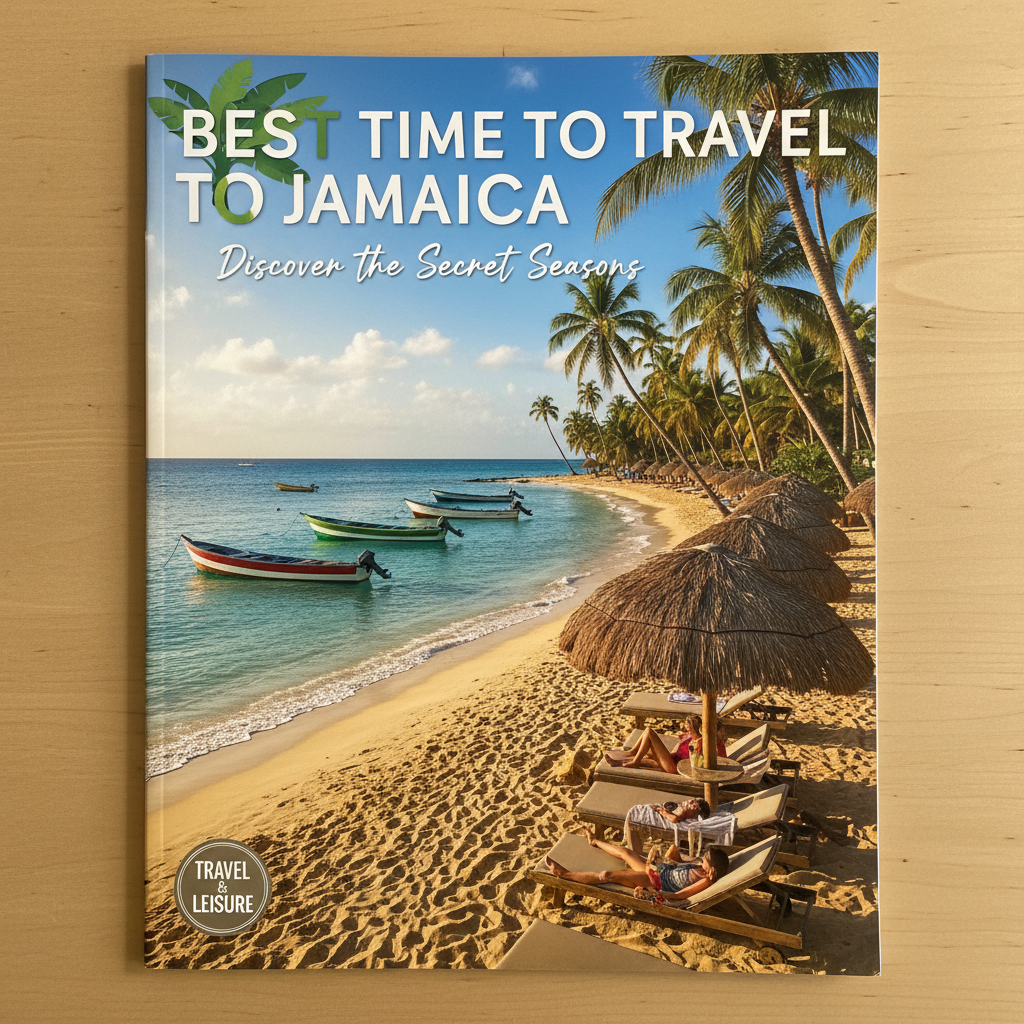
Quick Overview – When Is the Best Time to Travel to Jamaica in 2026?
Fast Facts & Top Recommendations for 2026
- Jamaica offers a tropical climate with little temperature variance: the annual average is 27–30°C (81–86°F).
- Dry season (mid-December to April): Peak sunshine, vibrant events, and high prices. Best for most travelers.
- Shoulder season (May & November–mid-December): Fewer crowds, balanced weather, and moderate prices.
- Wet/low season (June–October): Highest rainfall, frequent quick showers, best bargains. Hurricane risk peaks August–October.
- Peak season costs can be 20–50% higher and hotels book out 3–6 months in advance. Off-peak deals offer savings up to 30–40%.
Peak, Shoulder, and Off-Peak Seasons Explained
- Peak: December-April, lowest rainfall (50–100mm/month), best for beach and outdoor lovers, but pricier and busier.
- Shoulder: May, November–mid-December, moderate rain (100–200mm), fewer tourists, mid-level prices.
- Off-Peak: June–October, wettest (200–400mm/month), hurricane risk, best for budget travelers.
Jamaica’s Seasons Explained: Weather, Crowds & Pricing Month-by-Month
Dry Season (Mid-December to April): Sun, Festivals, Peak Pricing
Expect long sunny days and little rain. In 2026, dry season highs average 27–30°C (81–86°F), with cool snaps (down to 12°C/54°F inland). Tourism is at its highest, especially in Montego Bay and Negril. Expect increased event activity and prices 20–50% above average. Advance booking is essential.
Shoulder Season (November–Mid-December & May): Balanced Benefits
Transitional months bring improved availability and up to 30% savings. Expect moderate rainfall (100–200mm) and warm temperatures (~29–30°C/84–86°F). Good choice for flexible travelers and families outside school holidays. Festivals are still common.
Wet/Low Season (June–October): Rain, Low Prices, Hidden Value
Heavy but brief showers, especially in eastern Jamaica (Port Antonio). Highs of 30–31°C (86–88°F). Best for budget hunters—hotel and flight prices can be 30–40% lower. Fewer crowds, lush scenery, and off-the-beaten-path exploration. Hurricanes are rare but possible: peak risk late August to early October.
Hurricane Season: Risk, Myths & What You Need to Know
Officially June to November, peaking August–October. In 2026, no major hurricanes as of early-year reports, but risk remains. Locals monitor Miami-based forecasts. Most storms track north, but flexible tickets and travel insurance are wise. Rainfall averages 300–400mm/month in peak risk months.
Best Time to Travel to Jamaica for Different Travel Styles
Best for Adventure Seekers: Hiking, Waterfalls & Outdoor Thrills
- Dry season: Blue Mountains and Cockpit Country hikes, plus river adventures. Try March–April for consistent sunshine.
- Early wet season (May): Lushest landscapes with fewer tourists. Expect afternoon rain, especially in Port Antonio.
Best for Families: Kid-Friendly Activities & School Holidays
- December–April (winter holidays, spring break): Reliable weather, calm sea conditions, family festivals, and theme parks.
- Book 4–6 months in advance for the best resorts (Negril, Montego Bay).
Best for Couples & Honeymooners: Romance, Secluded Beaches
- March–June: Warm seas and fewer crowds. Try Negril for sunsets, Port Antonio for seclusion.
- Private retreats book quickly in the dry season.
Best for Luxury Travelers: Private Villas, Exclusive Retreats
- December–April: All-inclusive resorts in Montego Bay and exclusive villas on the north and west coasts.
- Book 6 months ahead for peak travel. Expect ultra-premium pricing around Christmas and Easter.
Best for Solo Travelers: Social Vibes & Safe Exploration
- Shoulder season offers optimal balance: fewer crowds, moderate prices, and social yet not overwhelming vibes in hostels and guesthouses.
- Consider Kingston and Port Antonio for arts, local experiences, and adventure tours.
Island Diversity – The Best Time to Visit Jamaica by Region
Montego Bay & North Coast: Cruise Ports, Nightlife & Festivals
Best from January to April for weather and cultural events. Avoid September–October (heavy rains). Cruise season peaks mid-winter, expect busy ports.
Negril & West: Beaches, Sunsets & Hidden Gems
Superb weather from December–April. July–August is hottest, but manageable with ocean breezes. Visit in May or November for quiet beaches and savings.
Port Antonio & East: Lush Rains, Blue Mountains & Authentic Vibes
Rainiest region—best visited December–April for hiking and river trips. May–June brings dramatic waterfalls and fewer tourists, but steadier rain.
Kingston & South: Culture, Art, Urban Energy
December–April is ideal for heat-sensitive visitors; spring brings Carnival and music festivals. Wet season is hot and muggy, but cultural events continue year-round.
2026 Jamaican Festival & Event Calendar: Unique Experiences You Can’t Miss
Major Music Festivals: Reggae Month, Sumfest, Rebel Salute
- Reggae Month (February, Kingston): Concerts/events citywide.
- Rebel Salute (January): Major live reggae festival.
- Sumfest (July, Montego Bay): Jamaica’s biggest music event; expect crowded hotels and spiked prices.
Secret Celebrations & Cultural Events: Food Fests, Maroon Festival, Emancipation Day
- Portland Jerk Festival (July, Port Antonio)
- Maroon Festival (January, Accompong)
- Emancipation Day (August 1), Independence Day (August 6): National parades, biggest in Kingston
Sports, Carnival & Local Happenings
- Jamaica Carnival: April (Kingston, Montego Bay)
- Kingston City Run: March
- Local marathons, cricket season—check schedules ahead
Insider Weather Tips – What to Really Expect Each Month in 2026
Temperature and Rainfall Trends by Month
| Month | Avg High (°C) | Avg Low (°C) | Rainfall (mm) | Notes |
|---|---|---|---|---|
| January | 27–28 | 21–22 (inland lows to 12°C in 2026) | 50–100 | Windy, chilly spells, especially inland |
| February | 27–28 | 21–22 | 50–90 | Cool mornings, sunny days |
| March–April | 29–30 | 22–23 | 40–80 | Sunniest, lowest humidity |
| May | 30–31 | 23–24 | 150–250 | First wet season peak, humid |
| June–August | 30–31 | 24 | 200–300 | Hot, rainy (esp. east), hurricane watch |
| September–October | 30 | 23–24 | 300–400 | Highest rainfall, hurricane risk |
| November–December | 28–29 | 22 | 100–150 | Drying trend, improving weather |
How to Pack for Every Season
- Light, breathable clothing year-round
- Rain jacket or quick-dry clothes (May–October)
- Reef-safe sunscreen, insect repellent
- Warm layer for cool winter mornings—especially for January–February 2026
Local Microclimates & Surprising Weather Patterns
- Eastern mountains (Port Antonio, Blue Mountains): up to 2x rainfall of west coast
- Montego Bay, Negril: Breezier, drier, with fewer total wet days
- Kingston: Some urban heat, slightly drier in summer
Saving Money & Avoiding Crowds: Best Time to Snag a Deal in 2026
Accommodation & Flight Price Trends
- December–April: 20–50% higher rates; book well in advance
- Shoulder months: Up to 30% off compared to peak
- Wet/hurricane season: Deepest savings, especially late summer/fall; discounts up to 40% possible
Booking Strategies & Last-Minute Deals
- For peak season, book 3–6 months ahead
- For May, June, September–October, last-minute luxury deals are common
- Monitor flexible cancellation policies and travel insurance offers
Avoiding Peak Tourist Rush – When & How
- Plan travel in May or mid-November for fewer tourists
- Choose east/Port Antonio or south/Kingston to skip crowds
- Visit main sites/hikes early morning or late afternoon
Frequently Asked Questions About the Best Time to Travel to Jamaica
- When is the driest month in Jamaica in 2026?
Typically March–April, with as little as 40–80mm rainfall. - Is Jamaica safe to visit during hurricane season?
Yes, with precautions: travel insurance, flexible bookings, and monitoring local weather updates. - When are flights and hotels cheapest?
September–October, plus May and November. - Which region is best for year-round travel?
Montego Bay and Negril for consistently good weather; Port Antonio best in the dry season. - What’s the hottest month?
July–August, average highs of 31°C (88°F). - How far in advance should I book?
3–6 months for the dry season, 1–2 months for off-peak.
Final Toplist: Best Months to Visit Jamaica in 2026 (By Ranking & Reasons)
- March–April: Perfect blend of dry, sunny weather, festivals, and manageable crowds.
- December–February: Cool breezes, lively events, and especially good for families or escaping northern winters.
- May: Shoulder season savings and lush scenery, ideal for nature lovers.
- June & November: Rain risk, but excellent value and thinner crowds; great for flexible travelers.
- July–August: Hot, festive, with premium pricing—best for music and culture fans.
- September–October: Budget-friendly, but hurricane season requires weather tracking and flexible plans.
- Ready to book your Jamaican getaway? Visit Visit Jamaica and major travel platforms for deals, and purchase comprehensive travel insurance for added peace of mind.