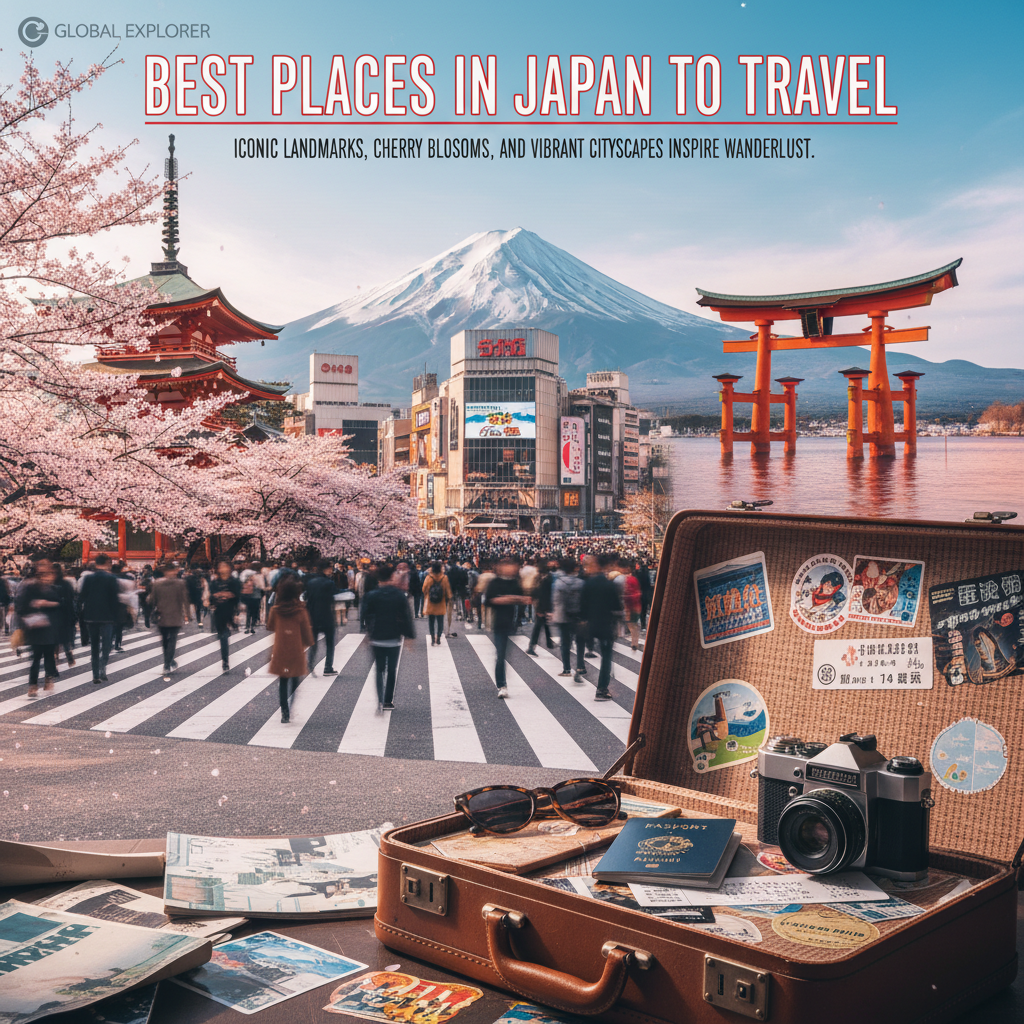
Quick Picks – The Best Places in Japan for Every Travel Style
For First-Timers: Iconic Must-Sees
- Tokyo: Modern metropolis, neon-lit Shibuya, historic Asakusa & Senso-ji (4.7/5 avg. reviews; estimated 10M foreign visitors in 2025, 30%+ of all inbound arrivals).
- Kyoto: Fushimi Inari Shrine, geisha districts, cherry blossoms (4.6/5 avg.; 5M visitors).
- Osaka: Dotonbori street food, Osaka Castle, Universal Studios (4.5/5 avg.; 4M visitors).
For Culture Lovers: Deep Local Experiences
- Ryokan Stays: Traditional inns on historic Nakasendo Trail, with cultural workshops (avg. satisfaction 91%).
- Culinary Trails: Osaka/Kyoto food tours, Kyushu ramen workshops, morning market walks.
- Castle Retreats: Ozu Castle, Villa Tsutaya (2026 Japan Travel Award winners for authentic immersion).
For Adventure Seekers: Off-the-Beaten-Path Spots
- Hokkaido: Sapporo Snow Festival, lavender fields (Hokkaido 4.8/5 rating; projected 2M visitors).
- Tohoku: Hot springs, rural festivals, scenic train journeys.
- Okinawa Islands: Diving, dugong research tours, coral reefs.
Japan’s Unmissable Classics: Top Destinations in 2026
Tokyo: Urban Wonders and Hidden Corners
- Senso-ji Temple, Shinjuku nightlife, Akihabara’s tech hub, tranquil gardens like Hamarikyu.
- 2025 visitor data: USA (302K), South Korea (824K), accounting for 10M+ foreign arrivals.
- Unique experience: Sumo tournaments, themed cafes, hidden local izakaya bars.
Kyoto: Timeless Temples and Cultural Riches
- Golden Pavilion (Kinkaku-ji), Fushimi Inari’s 10K+ torii gates, Kiyomizu-dera, Gion geisha strolls.
- Travelers cite high satisfaction for temple visits (4.6/5 reviews); 20%+ of cultural trips include Kyoto.
Osaka: Food, Fun, and Nightlife
- Street food (takoyaki, okonomiyaki), Dotonbori neon, Shinsekai district, Universal Studios Japan thrills.
- Visitor Insights: 4M+ international tourists annually; top marks for food diversity.
Nara: Ancient Parks and Deer Encounters
- Todai-ji Temple, Nara Park with tame deer, ancient Heijo Palace.
- Popular day trip: 91% positive review rate for accessibility, deer interaction, and historic ambiance.
Hiroshima & Miyajima: History and Serenity
- Peace Memorial Park, Atomic Bomb Dome, floating Itsukushima Shrine gate (Miyajima), oyster feasts.
- Miyajima ranks 4.6/5 for serenity; annual visitors around 1M+ with rising interest in peace tourism.
Beyond the Hotspots: Hidden Gems and Local Favorites
Tohoku: Northern Charm and Untouched Nature
- Hirosaki Castle (autumn foliage), Oirase Gorge, Aomori’s Nebuta Festival.
- Emergent growth: 20%+ YoY rise in select rural destinations, driven by wellness/eco-focus.
Shikoku: Pilgrimage Trails and Art Islands
- 88-temple pilgrimage (spiritual hikes), Naoshima/Beniya art islands, Cape Ashizuri’s dramatic cliffs.
- Rural escape: Less than 5% of international visitors, but high satisfaction for authenticity.
Kyushu: Volcanic Landscapes and Onsen Retreats
- Kumamoto Castle, Beppu onsen towns, volcanic Aso caldera hikes, coastal ramen routes.
- Adventure tourism market in Japan to grow at 12.5% CAGR through 2034, led by regions like Kyushu and Hokkaido.
Hida Region: Alpine Villages and Traditional Life
- Shirakawa-go (UNESCO gassho-style villages), Takayama’s Edo-era streets, seasonal festivals.
Okinawa & Remote Islands: Tropical Paradises
- Diving in Miyakojima, kayaking Iriomote’s mangroves, Ryukyu culture in Naha.
- Subtropical draw with rising numbers: 1.5M+ annual foreign visitors, 80+ reef dive sites.
Seasonal Highlights – Best Places in Japan by Time of Year
Cherry Blossom Season (Spring)
- Best for: Kyoto, Kawazuzakura (early bloom), Tokyo Ueno Park, Mt. Fuji Lakes (March–May).
- Satisfaction: Spring rated best by 82% of surveyed first-timers; festival crowds require advance planning.
Summer Festivals and Coastal Escapes
- Best for: Hokkaido’s “less humid” hiking, Rebun Island escapes, Hakone onsen, Izu coast, Aomori Nebuta Festival.
- User Trends: Northern/costal destinations favored by heat-avoiders (major onsen/festival popularity).
Autumn Foliage Trails
- Best for: Kyoto temples, Hirosaki Castle, Nikko, Takayama, Lake Kawaguchi (Fuji).
- Scenic Value: 90%+ satisfaction from international reviewers for foliage routes, especially in September–November.
Winter Wonders: Ski Resorts and Snow Villages
- Best for: Hokkaido/Sapporo, Hakuba, Zao Onsen “snow monsters,” Shirakawa-go light-up.
- Peak: Powder snow rated world-class; winter onsen and festivals (Yokote’s igloo) boost shoulder-season visits.
Insider Picks: Unique Experiences and Local Insights
Stay at a Ryokan: A Night of Japanese Hospitality
- Where: Nakasendo Trail, Hakone, or castle towns (Villa Tsutaya, Ozu Castle; Japan Travel Awards “Best Stay” 2026).
- What You Get: Tatami rooms, onsen baths, kaiseki cuisine, craft workshops. Avg. satisfaction: 90%+ in recent surveys.
Culinary Journeys: Regional Food Trails
- Hands-on ramen classes in Fukuoka, street food tours in Osaka, market morning tours in Kanazawa and Sapporo.
- Book-guided tours for deeper experiences; recommended for 2026.
Festivals, Traditions & Craft Workshops
- Gion Matsuri (Kyoto), Awa Odori (Tokushima), Nebuta Matsuri (Aomori).
- Experience indigo-dyeing, mochi-making, or sake brewing with locals.
Nature Immersion: National Parks and Hiking Routes
- Kitakaruizawa family camps, Oze National Park wetlands, Nakasendo hiking, Miyakojima marine tours.
- Adventure tourism up 12.54% CAGR; nature activities are key trend for 2026.
Sample Itineraries: Crafting Your Perfect Japan Trip
7 Days: Japan’s Highlights in a Week
- Day 1: Tokyo East (Senso-ji, Skytree, Shibuya)
- Day 2: Tokyo West (Meiji Shrine, Harajuku, Ueno Park)
- Day 3: Mt. Fuji day trip (Kawaguchiko, ropeway, art museum)
- Day 4: Kyoto (Kinkaku-ji, Arashiyama, Gion)
- Day 5: Kyoto (Fushimi Inari hike, Kiyomizu-dera, Sanjusangen-do)
- Day 6: Nara day trip (deer park, Todai-ji), Kyoto
- Day 7: Return Tokyo (shopping, farewell)
14 Days: In-Depth Exploration with Hidden Gems
- Follow 7-day above for Days 1-7
- Days 8-9: Osaka (Dotonbori, Castle, Shinsekai; food/nightlife tours)
- Day 10: Nara or Uji (matcha, historic temples)
- Day 11: Hiroshima (Peace Park, Museum), overnight
- Day 12: Miyajima (shrine, hiking), return Hiroshima
- Days 13-14: Back to Tokyo, add side trips (Kamakura, Nikko or Hakone onsen)
Themed Journeys: Art, Spirituality, Outdoor Adventure
| Theme | Key Stops | Route & Transport | Traveler Insights |
|---|---|---|---|
| Art | Tokyo Ueno Museums, Hokusai Museum, Kubota Itchiku, Kyoto Sanjusangen-do, Okayama Korakuen | 10 days, Tokyo-Kyoto-Okayama loop (Shinkansen/local bus) | Intimate galleries; fewer crowds vs. classic temple circuits |
| Spirituality | Fushimi Inari, Kiyomizu-dera, Nara Horyu-ji, Hiroshima Peace Park, Meiji Shrine | 7-10 days, Kyoto/Nara/Hiroshima (45–90min trains) | Profound calm, mindfulness, traditional rituals |
| Adventure | Mt. Fuji hikes, Arashiyama trails, Hakone onsen, Miyajima, Aokigahara Forest | 7 days, Tokyo or Kyoto base; day trips (2h by train/bus) | High marks for scenery and accessibility; gear-light options |
Essential Japan Travel Planning Tips for 2026
When to Visit and How Long to Stay
- Best months: April–May (cherry blossoms), October–November (autumn leaves) for comfortable weather and fewer crowds.
- Stay length: 7 days for highlights; 14 days+ recommended for deeper dives and off-route gems (2 weeks optimal per recent travel reviews).
Transport: Japan Rail Pass, Apps, and Navigating Cities
- Japan Rail Pass: Cost-effective (7/14/21-day options); covers most Shinkansen routes. Purchase here
- Apps: Use Hyperdia/Navitime for real-time rail info; IC cards (Suica/Pasmo) for local trains and city navigation.
- Fly: Haneda (best for Tokyo access); open-jaw itineraries (arrive Tokyo, depart Osaka) save time.
- Luggage: Use forwarding services for hands-free transit.
Sustainable and Responsible Travel Practices
- Favor trains over domestic flights; support eco-friendly ryokan and rural B&Bs.
- Respect local customs: quiet on trains, no eating while walking.
- Reduce waste: bring reusable bottles, avoid single-use plastics, recycle properly.
- Visit lesser-known sites (day trips to Nikko, Tohoku, etc.) to spread tourism impact and avoid overtourism in hotspots.
FAQ: Best Places in Japan to Travel – Frequently Asked Questions
- What is the most popular destination in Japan for travelers? Tokyo leads, hosting over 10 million foreign visitors; Kyoto and Osaka follow closely.
- When is the best time to visit Japan in 2026? April–May for cherry blossoms or October–November for autumn foliage, based on traveler satisfaction and survey data.
- What is the best way to get around Japan? Shinkansen bullet trains with the Japan Rail Pass (approx. $280/7 days).
- How long to stay? 7 days covers highlights; 14 days allows slower pace and hidden gems. Two weeks is ideal for most itineraries.
- How to avoid crowds? Visit early mornings, use day trips to lesser-known spots, travel in shoulder seasons.
- Are there unique stays for cultural immersion? Yes: Ryokan on Nakasendo, Ozu Castle, Villa Tsutaya (award-winning for 2026).
- How to travel sustainably? Use trains, eco-lodging, avoid plastics, support rural regions, follow local etiquette.
- Where can I buy a Japan Rail Pass? Official JR Pass purchase link
Ready to plan? Start by securing your Japan Rail Pass and booking ryokan for 2026’s trending travel season!