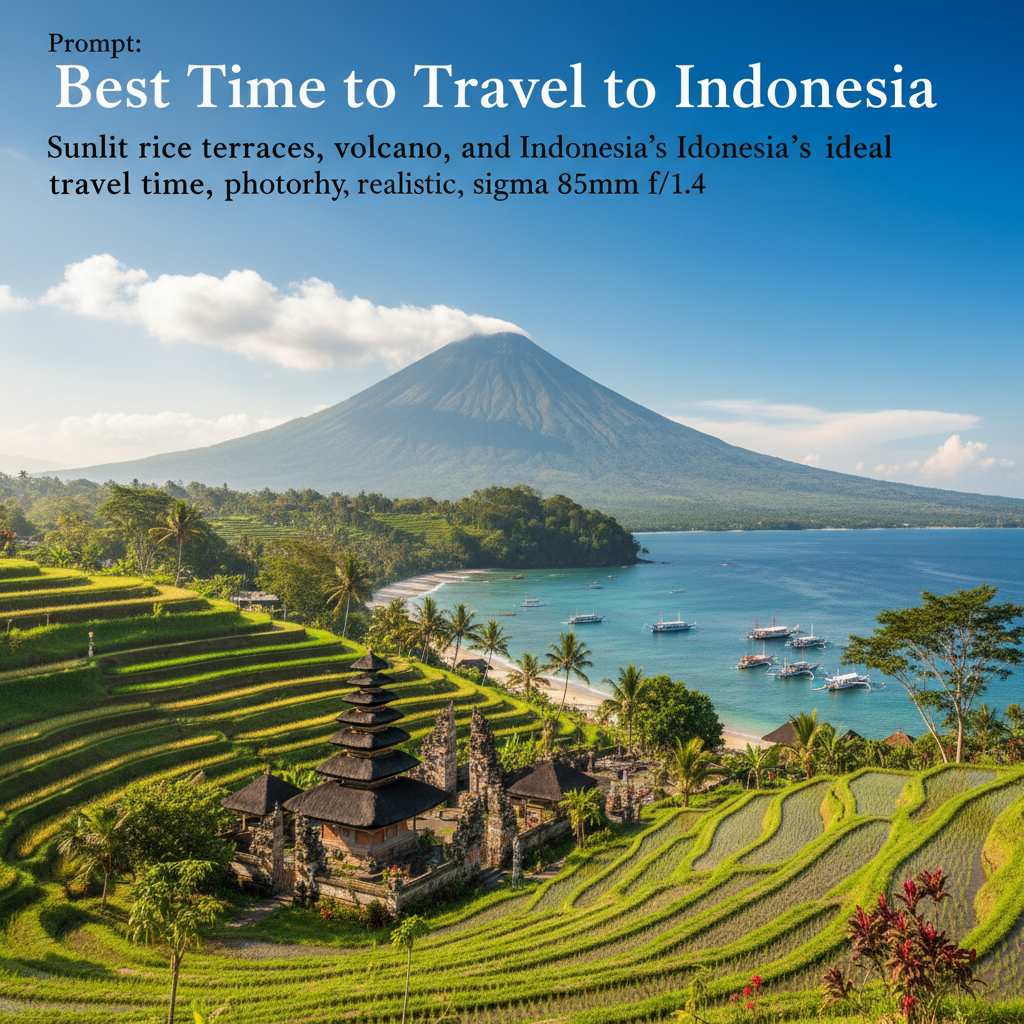
Quick Guide – Top 5 Best Times to Visit Indonesia in 2026
Best Overall Month for Weather and Adventure
May and September offer a perfect blend of sunny weather and lower crowds. Average daily highs are 28-31°C (82-88°F), rain is minimal (below 70 mm/month in Bali & Java), and humidity is comfortable—ideal for hiking, surfing, and diving in regions like Bali, Lombok, and Komodo. Supported by studies, these months provide optimal outdoor conditions and a variety of natural attractions.
Source: Lonely Planet: Best Time to Visit Indonesia
Best Time for Cultural Festivals & Unique Events
June to September sees a vibrant calendar—such as Bali’s Galungan and Yadnya Kasada at Mount Bromo (Java)—with dry, walkable streets. Cultural heritage sites like Borobudur shine, and festive atmospheres abound with fewer weather disruptions.
Research demonstrates peak festival attendance in these periods due to pleasant climate.
Source: Intrepid Travel: Best Time to Visit Indonesia
Best Time for Eco-Friendly and Off-the-Beaten-Path Travel
April to June and late September-October are ideal for rainforest treks, seeing orangutans in Sumatra/Kalimantan, and diving in Raja Ampat. Wildlife is more visible, trails are safe, and remote islands experience lower tourist numbers. Rainfall is moderate, ensuring trails remain accessible. Conservation operators recommend these “shoulder” months for responsible travel.
Best Month for Budget Travelers & Minimal Crowds
May, June, and September offer up to 20-30% savings on flights and hotels compared to July-August peak. Visitor data from major airports (Denpasar, Jakarta) show a dip in arrivals, meaning less competition and easier bookings.
Best Time for Luxury and Family Getaways
June to August delivers calm seas ideal for family snorkeling and beach relaxation at high-end resorts in Bali, Sumba, and Lombok. Exclusive properties offer premium services, with child-friendly activities and smooth logistics. Booking 3-6 months in advance during these months is recommended.
Understanding Indonesia’s Diverse Climate and Regional Seasons
Weather Patterns Across Key Islands (Bali, Java, Sumatra, Sulawesi, Papua)
- Bali & Lombok: Dry season April-October (60-90 mm rain/month), wet November-March (180-300 mm rain/month). Temps: 27-32°C (80-90°F).
- Java: Similar to Bali but wettest December-February (200mm+). Dry conditions support visits May-September.
- Sumatra: Rainiest November-April (up to 350 mm/month). Dry, accessible trails and wildlife April-October.
- Sulawesi: Complex microclimates. North is wet June-August; South has longer dry periods.
- Papua: Rain common year-round, but drier June-September. Plan tribal festivals/sightseeing according to local rainfall data.
Dry, Wet & Shoulder Seasons Explained (2026 Dates)
- Dry Season: April 15 – October 20, 2026 (best for most outdoor activities)
- Wet Season: November 5, 2025 – April 10, 2026 (peak rainfall, some islands experience afternoon storms lasting 2-6 hours)
- Shoulder Seasons: April, May, September, October (balance of weather, cost, and crowd levels)
How Climate Impacts Activities and Travel Planning
- Heavy rains (wet season) affect transport, with regional ferries and mountain roads prone to closure.
- Diving and surf conditions peak May-October; poor visibility and currents off-season.
- Wildlife (orangutans, turtles, birds) easier to spot in drier months due to increased movement and less dense foliage.
- Festival experience and outdoor events require dry, stable weather for full enjoyment.
Month-by-Month Guide: The Best Time to Travel to Indonesia Based on Experience
January to March – Rainy Season Wonders & Hidden Gems
Expect frequent showers (200-300 mm/month in Java/Bali), lush landscapes, and fewer tourists. Best for budget travel and unique photo opportunities. Dive in Raja Ampat (Papua) is still excellent, and Bali’s green rice terraces are at their most photogenic.
April to June – Festive Spirit and Shoulder-Season Adventures
Rainfall drops to 70-100 mm/month. Trails dry, visibility rises for diving/snorkeling. Major festivals like Waisak (May) celebrate Buddha’s birth at Borobudur. Wildlife spotting in Sumatra/Kalimantan improves, and prices remain reasonable before high season.
July to September – Peak Experiences for Nature, Diving, Surfing
Weather is at its best (50-80 mm rain/month; avg. 30°C). Prime surfing in Bali/Lombok, best diving in Komodo, and all national parks are fully accessible. Turtle nesting season peaks on many beaches, and whale shark sightings are frequent in East Indonesia. Expect higher prices and busy main sights—advance booking is advised.
October to December – Unique Wildlife, Green Landscapes & Cultural Immersion
Early October still dry in Bali/Lombok; later months bring more rain (escalating to 250+ mm). Shoulder period is quieter, great for birdwatching, and remote islands offer tranquil escapes. Christmas and New Year festivals animate the cities; prices rise late December.
Top Festivals and Special Events in Indonesia (2026 Calendar)
Must-See Local Festivals by Region & Month
- Galungan & Kuningan (Bali): May 20 & May 30, 2026 – elaborate ceremonies, parades, and Balinese traditions.
- Waisak (Java – Borobudur): May 25, 2026 – Buddhist lantern festival attracting pilgrims worldwide.
- Pasola (Sumba): March (exact date determined by full moon) – exciting horseback ritual.
Major Religious and Cultural Events (with 2026 Dates)
- Idul Fitri (end of Ramadan): March 20, 2026 – national celebration; crowds/travel disruptions to be expected.
- Nyepi (Bali Day of Silence): March 18, 2026 – island-wide closure; unique experience but limited movement for travelers.
- Yadnya Kasada (Bromo): July 15, 2026 – Tenggerese ceremonial offerings at Mount Bromo’s crater.
Insider Tips on Experiencing Festivals Like a Local
- Arrive 2-3 days in advance to secure accommodation.
- Dress modestly for religious events; observe local customs.
- Consider joining a guided festival tour for access and insight.
Best Time to Visit for Different Types of Travelers
Adventure Seekers: Top Months for Hiking, Surfing, and Volcano Treks
May-June and September—dry, clear trails for volcano hikes (Bromo, Rinjani), exclusive surf breaks in Bali, and Komodo’s top diving. Safety and accessibility highest (<1 mm rainfall/day average).
Families & Group Travelers: Safe, Comfortable, and Fun Periods
June-August in Bali or Lombok—calm waters, family resorts, guided wildlife tours. Avoid wet months due to slippery surfaces and fewer family options.
Eco-Conscious Travelers: Green Travel Windows & Conservation Highlights
April-June and September-October. Access active reforestation programs in Sumatra/Borneo, responsible snorkeling in Raja Ampat, turtle hatchings July-September. Less crowd-related impact and better conservation opportunities.
Solo & Digital Nomads: Social Scenes, Friendly Weather, and Local Life
May and June—lively hostels and co-living spaces with plenty of activities, fewer large tour groups, and affordable mid-season rates. Local immersion opportunities highest during school terms.
Luxury Seekers: Premium Resort Seasons and Exclusive Experiences
July-September—best international resort service, chef-led dining, and tailored tours. Book private villas on Sumba and Ubud for secluded relaxation.
Off-the-Beaten-Path: Lesser-Known Destinations and Secret Seasons
Hidden Islands and Alternative Routes to Avoid Crowds
- Flores & Alor (May-June, September-October): Pristine reefs, low tourist influx, local guesthouses.
- Bangka & Belitung (April-October): Serene beaches, cultural heritage sites, off-grid charm.
When to See Unique Wildlife, Migrations, and Underwater Marvels
- Komodo dragons (Komodo/Flores): March-June, mating and nesting activity; ranger-led walks.
- Turtle hatching (Sumbawa, Bali): July-September, beaches protected by conservation groups.
- Manta rays (Raja Ampat): October-April for best marine encounters.
Responsible Travel: Supporting Local Communities and Conservation
- Choose eco-certified lodges in low-traffic months (May, October).
- Participate in beach cleanups, forest treks guided by locals, and wildlife release programs.
Essential Travel Tips for Indonesia in 2026
How Major Holidays and Ramadan Affect Travel
- During Idul Fitri (March 20, 2026), domestic travel spikes—plan intercity transport well ahead. Many government offices, banks, and restaurants may close.
- Nyepi (March 18, 2026): Bali’s airports and roads close for 24 hours; essential to plan layovers accordingly.
- Ramadan: Some regions show reduced restaurant and nightlife options; cultural respect appreciated by dressing modestly and eating discreetly in public.
Booking and Planning Around Peak & Low Seasons
- High season (July-Aug): Book flights and hotels 3-6 months ahead—expect price increases of 20-50%.
- Shoulder/low season: Last-minute deals possible but check for operational activities due to weather.
- Compare prices across multiple platforms (e.g., Agoda, Booking.com) for best rates.
Packing, Health, and Safety Guidelines by Season
- Dry season: Sunscreen, light clothing, mosquito repellent, and sturdy footwear for hiking.
- Wet season: Quick-dry clothes, waterproof bags, rain covers, and medication for waterborne illness prevention.
- Always check vaccination requirements and travel insurance coverage suitable for adventure activities.
Frequently Asked Questions About the Best Time to Travel to Indonesia
- Is May or September better for avoiding crowds?
Both months offer similar benefits but September tends to have fewer international tourists as school holidays wind down. - When is the best time for diving in Komodo or Raja Ampat?
June-September for Komodo (best visibility and currents). October-April is top for Raja Ampat for calmer seas and manta ray season. - How much can I save traveling off-peak?
Flights and hotels can cost 10-30% less in May, June, and September compared to July-August. - Are festivals accessible for tourists?
Most are open to visitors with advance notice. Guided experiences or local liaisons help bridge cultural gaps; modest attire required for religious events. - Is Indonesia safe during the wet season?
Yes, but plan for delays. Flooding can disrupt some rural areas. Major tourist towns continue to operate, just with increased rainfall. - What is the best region for families in June-August?
Bali and Lombok stand out for family resorts, calm seas, and diverse activities catering to all ages during these months.
- Plan your 2026 Indonesia trip now for best deals: Book accommodation in Indonesia