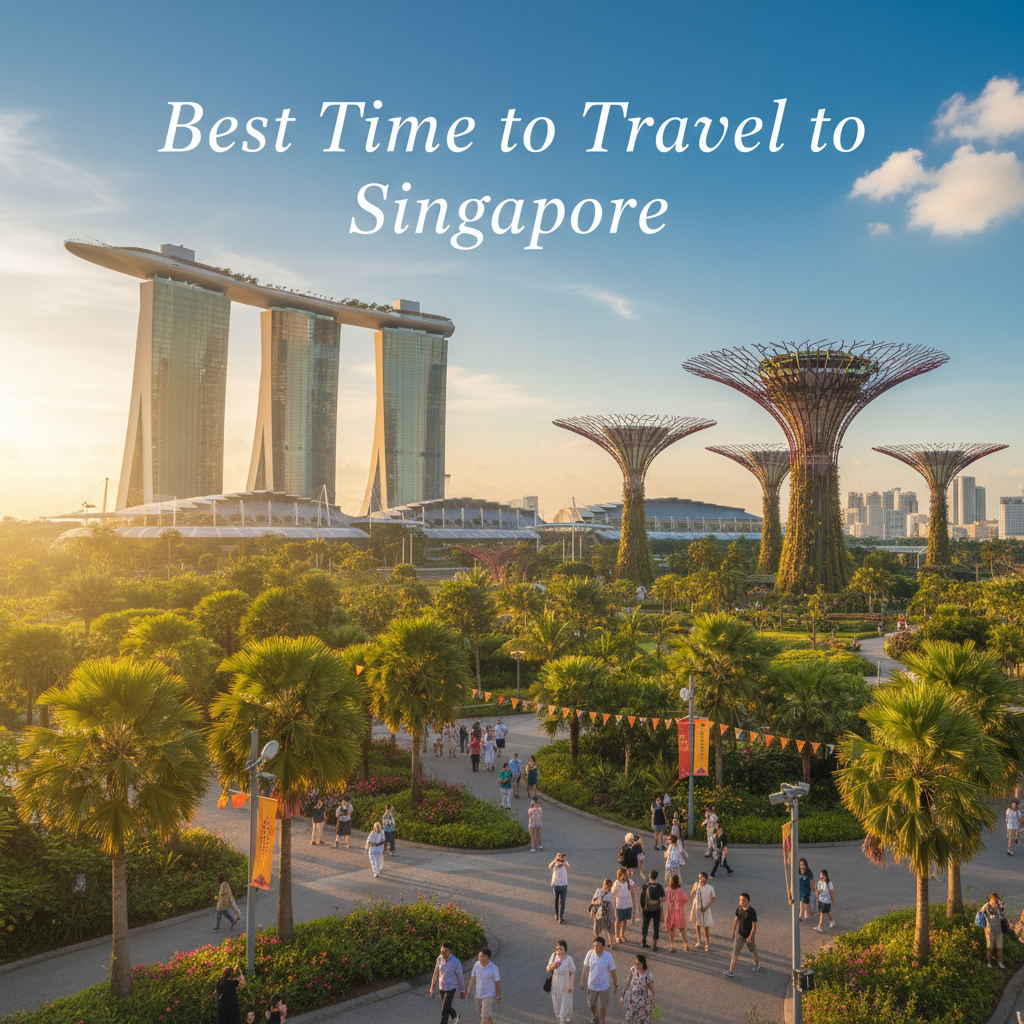
Quick Answer: When Is the Best Time to Travel to Singapore in 2026?
Snapshot Table: Weather, Festivals, and Prices by Month
| Month | Avg Temp (°C High/Low) | Rainfall (mm/days) | Major Events | Price Trend |
|---|---|---|---|---|
| January | 30 / 24 | 240 / 15 | Post-New Year, Early Monsoon | Peak |
| February | 31 / 24 | 120 / 10 | Chinese New Year | High |
| March | 31 / 23 | 198 / 13 | iLight, Ramadan Start | Moderate |
| April | 31 / 24 | 180 / 14 | Orchid Bloom Peak | Mid |
| May | 31 / 25 | 170 / 14 | – | Mid |
| June | 29 / 26 | 160 / 12 | Great Singapore Sale | Low |
| July | 29 / 25 | 150 / 11 | Food Festival | Mid-High |
| August | 29 / 25 | 170 / 12 | National Day | Mid |
| September | 29 / 25 | 170 / 13 | F1 Grand Prix | Mid |
| October | 30 / 25 | 200 / 15 | Deepavali | Low-Mid |
| November | 30 / 24 | 250 / 17 | Year-End School Holidays Start | Rising |
| December | 30 / 24 | 269 / 18 | Christmas, Monsoon Peak | Peak |
Top 3 Recommendations for Different Traveller Types
- Best for Weather: February – April (driest, most sunshine, comfortable for all activities)
- Best for Festivals and Events: February (Chinese New Year), September (F1 Grand Prix)
- Best for Budget Travelers: June, September–October (lower prices, moderate crowds)
How We Ranked the Best Times to Visit Singapore (2026)
Climate Data Analysis for 2026
Singapore’s climate is consistently hot and humid, with average high temperatures ranging from 29°C to 31°C year-round and lows of 23–26°C. Humidity stays between 80–90%. Rainfall follows a bimodal pattern: December–January (wettest, avg 269mm/month), June–September (driest, avg 150–170mm/month) [1][2]. Sunshine ranges between 5–9 hours/day.
Local Events & New Festivals Spotlight
Chinese New Year falls in mid-February 2026. Ramadan and Hari Raya Puasa (dates variable by lunar cycle) span late February to late March. The Singapore Grand Prix takes place in September. Shopping festivals, food events, and cultural parades occur throughout the year. New and one-off events for 2026 will be updated on official tourism websites.
Budget Considerations & Accommodation Trends
Data from 2025–2026 shows peak accommodation prices rising 25–40% in December–February and July–August, with average daily spend $150 for mid-range visitors [6]. Best-value periods are April–May and September–October, when deals and fewer crowds are common.
Singapore Weather by Month: What to Expect in 2026
Wettest and Driest Months Explained
The wettest months: November–January, with December averaging 269mm of rain and up to 18 wet days. The driest: June–August, with 11–12 rainy days and 150–170mm per month. Rain typically falls in brief, heavy showers, mostly in the afternoon.
Temperature, Humidity & Air Quality Overview
- Temperature: Stable year-round. Highs: 29–31°C. Lows: 23–26°C.
- Humidity: 80–90% most days. Carry water and light clothing.
- Air Quality: Good (AQI 20–60). August–October can see haze from regional fires; monitor official advisories.
How 2026’s Climate Compares to Previous Years
2026 is projected to be within historical norms, though recent years saw slight increases in rainfall during the wet season and more intense dry spells in July–September [6].
Major Events & Festivals in Singapore in 2026
Chinese New Year 2026 Dates & Experience
Chinese New Year: February 17–18, 2026. Expect street light-ups, lion dances, fireworks, and vibrant markets in Chinatown.
Ramadan, Hari Raya & Cultural Celebrations
Ramadan: February 28–March 29. Markets and night bazaars are lively; Hari Raya Puasa follows. Deepavali celebrations occur in October–November.
F1 Singapore Grand Prix 2026
F1 Grand Prix: September 18–20, 2026. Downtown and Marina Bay transform, with increased hotel demand and citywide parties.
Unmissable New Events Happening in 2026
- iLight Singapore: March–June (sustainable art light shows)
- Singapore Food Festival: July
- Great Singapore Sale: June–August
- Updated events at Visit Singapore
Best Time to Travel to Singapore by Interest
For Foodies: Hawker Delights & Seasonal Specialties
- Street food and hawker centre tours: year-round, but February–April most comfortable outdoors
- Budget $150/day for food tours and specialities like chili crab, satay, nasi lemak
- Book a food tour
For Shoppers: Great Singapore Sale & Market Seasons
- Best deals: June–August (sales), December (clearances)
- Orchard Road and Bugis markets are busiest in June–August and December–January
- Shop early or mid-week for the best bargains
For Nature Lovers: Gardens by the Bay, Parks & Wildlife
- Botanic Gardens: Peak orchid blooms February–April
- Gardens by the Bay and Zoo: Best from May–September (less rain)
- Sentosa: All year, but June–September is ideal
For Families: Theme Parks, Kid-Friendly Events & School Holidays
- Universal Studios, Science Centre, S.E.A. Aquarium: year-round attractions
- School breaks: June–July, September–October, November–January (higher crowds and prices)
- Visit parks and museums in the mornings to avoid crowds/heat
For Budget Travelers: Cheapest Months & Off-Peak Secrets
- Best months: June, September–October (20–30% lower prices than peak)
- Stay outside Orchard/Marina Bay and use the MRT for easy transit
- Find flash deals via hotel and flight comparison sites for best value
Crowds & Costs: How to Avoid Peak Season Hassles in 2026
School Holidays, Public Holidays & Tourist Waves
- Chinese New Year, F1, and school holidays (June–July, end-November–January): expect higher crowds and prices
- Visit during April–May or September–October for quieter attractions
Hotel Rates, Flight Prices & Booking Strategies
- Peak: December–February & July–August (25–40% more for rooms)
- Book flights 2–3 months in advance for June–September to secure deals
- Use public transport and multi-day MRT passes for savings
How to Find Deals and Quiet Spots
- Check Agoda and Booking.com for hotel flash sales
- Explore less touristy neighborhoods: Katong, Tiong Bahru, East Coast
- Book mid-week stays for lower prices
Packing & Planning Tips for Your 2026 Singapore Trip
What to Pack for Weather & Activities (Updated 2026)
- Lightweight, moisture-wicking clothing
- Quick-dry raincoat or compact umbrella
- Sunscreen (SPF 50+), sunglasses, cap
- Comfortable walkers, insect repellent (DEET 30%)
- Adapter (Type G plug), refillable water bottle
Health & Safety Tips (Including 2026 Updates)
- Stay hydrated: 3–4L water/day in hot weather
- Prevent mosquito bites: wear repellent to reduce dengue risk
- Monitor haze advisories August–October, stay inside if AQI >100
- Standard vaccines (routine, hep A/typhoid) up to date recommended
Getting Around: Updated Transportation Tips
- Singapore Tourist Pass (SGD 17–29 for 1–3 days unlimited MRT/bus)
- MRT connects all major attractions; most rides under SGD 4
- Taxis for groups/families are cost-effective for point-to-point trips
Frequently Asked Questions About the Best Time to Travel to Singapore
- Is there a bad time to visit Singapore? No, but December–January can be wetter, and haze is possible in August–October.
- Which month is cheapest? June and September–October.
- Which month is best for festivals? February (Chinese New Year), September (F1), July (Food Festival).
- Do I need travel insurance? Yes, for health and trip disruption due to unpredictable weather.
- How many days are enough? 3–5 days covers most highlights.
Final Thoughts: Choosing Your Perfect Month to Visit Singapore in 2026
Summary: The best time for most travelers is February–April, with minimal rain, comfortable warmth, and major festivals—excellent for sightseeing, food, and culture. June and September–October offer lower prices and pleasant weather, perfect for budget-minded visitors and those avoiding crowds. Tailor your visit to your interests, pack smart for heat and rain, and check official event calendars for timely updates. For savings, use early-bird deals and travel comparison tools. Start planning your Singapore adventure here.