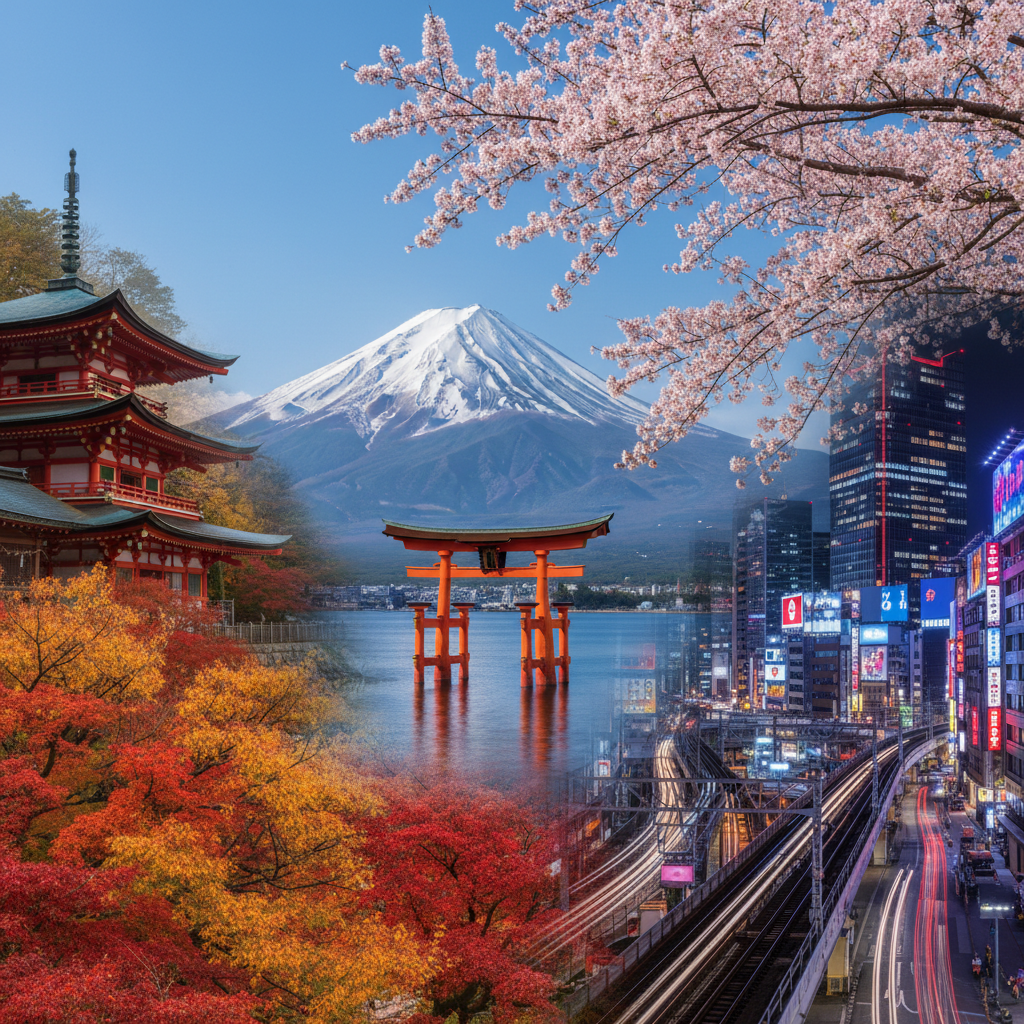
Quick Guide – Japan’s Top 5 Must-Visit Destinations in 2026
Tokyo: Where Tradition Meets Tech Evolution
Tokyo remains Japan’s top city for inbound tourism, leading prefecture rates in 2024 and receiving record overnight stays. In 2026, expect further innovation, from AI-powered hotels to cashless convenience, while retaining centuries-old shrines. Don’t miss neighborhoods like Asakusa for tradition and Akihabara for gaming culture. Tokyo’s cherry blossom season (late March–early April) draws huge crowds; book accommodations early. Proximity to smart bullet train hubs ensures seamless connections to other regions.
Sources: Statista, Nippon.com
Kyoto: Timeless Culture & New Experiences
Kyoto’s UNESCO World Heritage shrines, historic districts, and geisha culture maintain global appeal. With overtourism management and regional promotion, Kyoto now encourages deeper cultural encounters, night temple tours, and digital heritage exhibits for 2026. Visitor numbers soared post-pandemic; sustainability measures have improved crowd flow at hotspots like Arashiyama Bamboo Grove. Don’t miss seasonal food tours and innovative art shows at Kyoto’s new digital museums.
Osaka: Culinary Capital & Urban Vibes
Osaka positions itself as the “Nation’s Kitchen,” ranked among most visited cities, with American travelers up 58% over 2019. The city prepares to host post-2025 World Expo crowds with expanded food markets, digital guides, and bullet train upgrades. Signature street eats (okonomiyaki, takoyaki) and the nightlife of Dotonbori remain top draws, while nearby Nara and Kobe offer rural-urban excursions. Expo legacy infrastructure will boost connectivity and event diversity.
Hokkaido: Year-Round Nature & Adventure
Japan’s largest northern island continues double-digit growth in foreign arrivals, offering ski resorts, flower fields, and emerging eco-tourism. Hokkaido’s efficient railway network and sustainable adventure points, like the reborn national parks and Midagahara Wetlands, support green travel. Summer 2026 sees peak flower tourism, while winter attracts global ski enthusiasts. Rental cars and buses connect visitors to off-grid mountain and coastal gems.
Source: JTB Tourism Stats
Hiroshima & Setouchi: History, Art & Island Escapes
Hiroshima’s Peace Memorial Park and World Heritage sites magnetize history travelers. Setouchi, with islands like Naoshima and Teshima, entices with international art festivals, quiet cycling routes, and hidden B&Bs. The area benefits from new ferry and JR West connections, plus regional airport upgrades. Setouchi’s small islands attract travelers seeking crowd-free coastal beauty and immersive rural stays.
2026 Travel Trends in Japan: What’s New & Exciting
Upcoming Events & Major Festivals in 2026
- Asian Games in Aichi-Nagoya: Major regional draw with sports, fan events, and cultural programs—expect increased travel across Chubu.
- Ongoing festivals in cities and small towns maintain high post-pandemic participation, particularly during spring and autumn seasons.
- Theme parks like Tokyo Disney Resort and Universal Studios Japan launch new attractions for the year-end and New Year’s peak, pushing related tourism spending up 8.4% YoY.
Next-Gen Transport: Bullet Trains, AI Guides & Smart Travel
- Bullet Train Expansions: New Hokkaido shinkansen lines and improved Tokyo–Osaka service minimize city-to-nature transfer times.
- Digital Ticketing: Nearly all major stations and buses use IC cards (Suica, ICOCA, etc.), with over 95% coverage by 2026.
- AI Travel Apps: AI-driven guides (like Japan Travel by Navitime) see adoption rates surge, offering real-time navigation and crowd management tips.
Tech for Tourists: Cashless Convenience & Translation
- More than 85% of hotels and restaurants accept global debit/credit cards and mobile payments. Even rural inns are shifting cashless post-pandemic.
- Widespread use of AI-based instant translation apps helps bridge the rural-urban language gap.
Off-the-Beaten-Path: Hidden Gems for Unique Japanese Experiences
Lesser-Known Prefectures Worth Visiting
- Takayama (Gifu): A Kyoto alternative—less than 6% of tourists visit. Explore historic merchant houses, Hida beef, and sake cellars next to the Japan Alps.
- Kanazawa (Ishikawa): Home to Kenroku-en Garden, with authentic geisha teahouses and few foreign visitors.
- Aizu (Fukushima): Adventure hub with volcanic lakes, ancient breweries, and crafts; emerging from post-2011 stereotypes to eco-activity leader.
- Izu Peninsula (Shizuoka): Wild coastlines, Fuji views, and onsen town charm; an uncrowded alternative to Hakone.
- Kuju Mountains (Oita/Kumamoto): Gentle hikes, mountain onsen, and camping in Kyushu’s lesser-known peaks.
Small Towns & Villages with Authentic Charm
- Tsumago (Nagano): Edo-era village, car-free, with historic inns on the Nakasendo Way—see fewer than 10% of Golden Route tourists.
- Hirosaki (Aomori): Cherry blossom rival to Kyoto, historic northern city with low international crowds.
- Cape Ashizuri (Kochi): Coastal village, lighthouses, and sea temples—ideal for secluded adventurers.
Secret Nature Spots & Outdoor Adventures
- Noto Peninsula: Quiet rice terraces and dramatic coastlines, supporting rural revitalization goals.
- Iya Valley (Shikoku): Vine bridges and gorges—perfect for hiking and hot springs off the standard tourist path.
Special Interest Destinations: Culture, Anime, Food & Nature
Pop Culture Pilgrimages: Anime & Gaming Hotspots
- Nakano Broadway (Tokyo): Retro gaming arcades and anime shops draw Gen Z and millennial visitors, with themed cafés and AI-interactive art installations on the rise.
- Akihabara and Osaka: Digital art museums and specialty gaming events appear post-Expo.
Food Lovers’ Japan: Regions for Culinary Exploration
- Osaka and Kyoto remain top for market tours, local ramen classes, and Kansai specialty tasting. Local food experiences now attract over 25% of international cultural tourists.
Source: JTB Report - Bakery culture and mochi making in Kanto and Tokyo rise as hands-on regional trends among domestic and inbound travelers.
Nature & National Parks: Japan’s Untouched Beauty
- Hakone (Fuji views), Nikko (shrine forests), and rural Tohoku see steady growth in “hushed hobbies” tourism (birdwatching, hiking, photography).
- Midagahara Wetlands and Kyushu’s Kuju Mountains are promoted eco-adventure hotspots.
Wellness Escapes: Onsen Towns & Sustainable Retreats
- Solo wellness trips rise by 11% YoY in 2025 data, with new city-to-onsen train routes in Kansai and Kyushu supporting demand.
- Yumeshima Island and Hakone open new luxury, eco-certified ryokan and nature retreats for 2026.
Planning the Perfect 2026 Japan Itinerary: Tips & Sample Routes
Regional Balance – Urban, Cultural & Rural Experiences
- Expert guides recommend at least 40% of time spent beyond Tokyo/Osaka on rural and nature escapes, supported by national tourism goals to double rural visitor stays by 2030.
Best Destinations for Different Seasons
- Spring: Kyushu (early blooms), Kanazawa, Tokyo, Kyoto.
- Summer: Hokkaido (flower fields), Iya Valley, Noto Peninsula.
- Autumn: Takayama, rural Tohoku, Takamatsu/Naoshima islands.
- Winter: Sapporo, Hakuba, and mountain onsen towns.
Accessibility & Sustainability: Traveling Responsibly in Japan
- 80% of rural stops on major bullet/main lines now accept IC cards and digital payments for 2026.
- Eco-friendly lodging, local onsen, and cycling/hiking tours are promoted in official guides—pack reusable items and minimize car rentals.
Sample 7, 10 & 14-Day Itineraries for 2026
| Duration | Highlights | Route Notes |
|---|---|---|
| 7 Days (Spring) | Tokyo→Hakone→Kyoto→Kanazawa/Noto Peninsula | Maximize train travel; cherry blossom or rural coastal focus |
| 10 Days (Summer) | Osaka→Kyoto→Takamatsu→Naoshima→Iya Valley→Himeji→Hiroshima | Use JR Pass, prioritize rural stays, avoid summer city heat |
| 14 Days (Autumn) | Tokyo→Hakone→Takayama→Kanazawa→Kyoto→Iya→Kyotango/Shima Onsen | Flexibility for mountain walks, peak foliage, rural overnights; 60% rural/cultural focus |
- Refer to Japan National Tourism Organization and guides like Hyperdia for up-to-date rail schedules and booking.
- Book popular city/rural stays and train passes 6+ months ahead for peak cherry blossom or foliage season.
FAQ: Planning Your 2026 Japan Adventure
- Is Japan safe and accessible for international visitors? Yes—crime rates are among the world’s lowest, and 95% of major stations/hotels offer English support and cashless payment by 2026.
- Do I need a visa for Japan in 2026? Most Western, Asian, and Oceania nations qualify for visa-free entry. Always confirm MFA latest updates.
- How much should I budget per day? Expect ¥15,000-25,000 (USD $100–160) for mid-range travel including transport, lodging, and daily meals.
- How can I book rural accommodation? Many rural ryokan, minpaku (B&Bs), and onsen huts are now offered on global platforms like Booking.com and Airbnb.
- Are translation apps effective in rural Japan? Yes, AI-based apps offer high accuracy for signage, menus, and conversation.
Final Recommendations: How to Choose Your Best Travel Destinations in Japan
- Combine at least one major city (Tokyo, Osaka, Kyoto) with 1–2 rural destinations or hidden gems for a balanced, crowd-free experience.
- Time your visit with local festivals or nature events using official tourism calendars for 2026.
- Embrace public transport—Japan Rail Pass and regional IC cards increase route flexibility, sustainability, and budgeting ease.
- Explore culinary, wellness, or cultural special interests; local guides and small group tours offer expert-led access to exclusive spots.
- Book popular accommodations and train passes 6–12 months ahead—especially for cherry blossom and autumn foliage periods, when occupancy exceeds 90%.
- Ready to experience Japan? Start planning and book your Japan adventure here or check the latest rural escape deals on Booking.com.